Goodwill
The "going concern" value above tangible assets — relationships, brand, customer base.
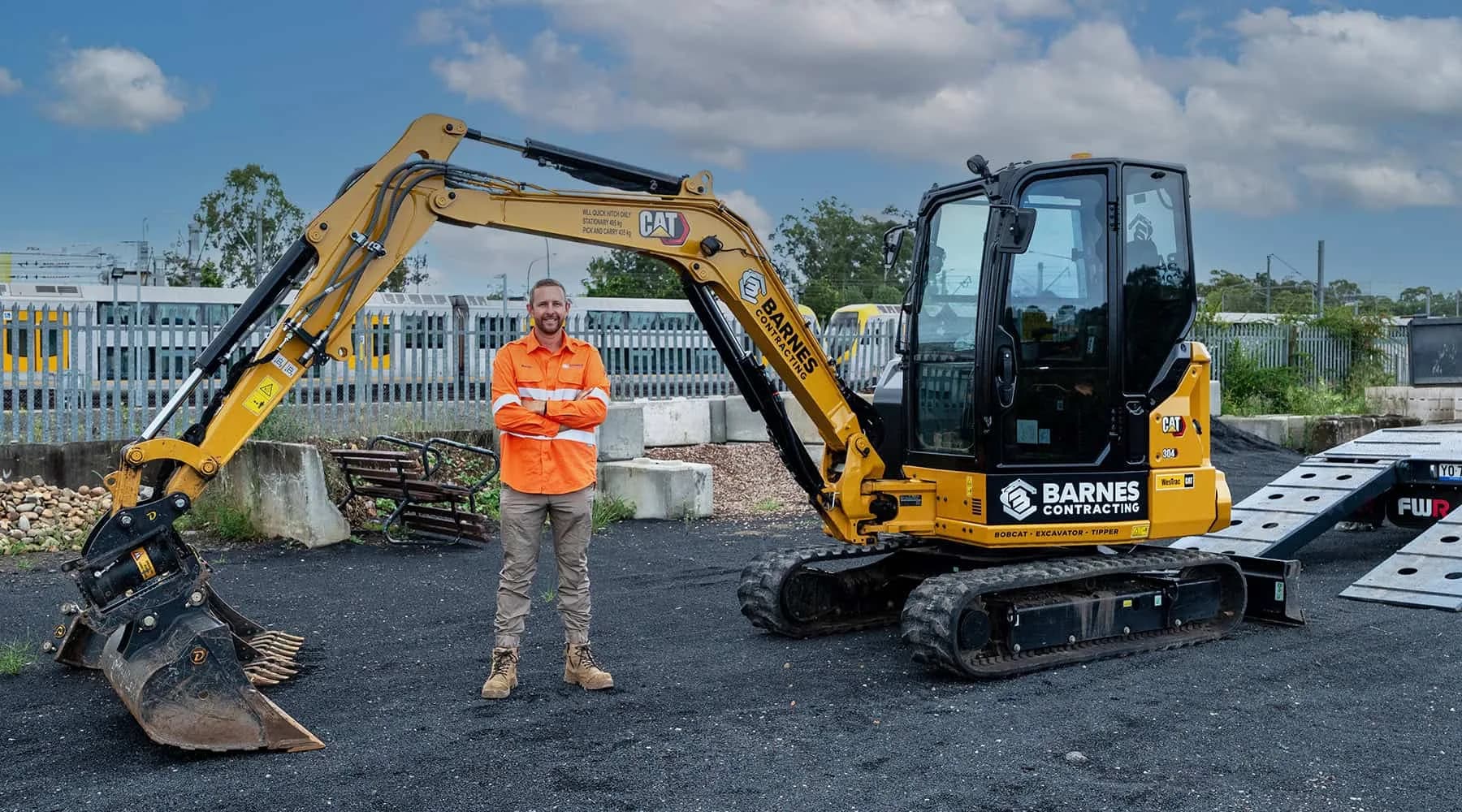
Whether you're buying an existing operation, buying out a partner, or absorbing a competitor — TMF structures acquisition finance across goodwill, assets, and working capital.
Business acquisition finance covers the full cost of buying an existing Australian business — goodwill, plant and equipment, stock, and working capital — using a combination of term loans, vendor finance, and sometimes equity. Lenders look at the target\'s financials, the buyer\'s experience, and the combined business cash flow. Typical deposit 20–40%; deals settle in 3–6 weeks.
The "going concern" value above tangible assets — relationships, brand, customer base.
Financed separately at lower cost via equipment finance, freeing up working capital.
Often funded through a revolving facility or business overdraft, not the acquisition loan itself.
Seller carries part of the price as an earn-out or deferred payment — reduces upfront cash needed.
Business acquisition finance covers the cost of buying an existing business — goodwill, plant and equipment, stock, and working capital — through a combination of term loans, vendor finance, and sometimes equity. TMF structures these deals across our specialist business-finance lender panel.
A current valuation of the target business, two to three years of the target's financials, a clear handover/transition plan, the buyer's industry experience or operating history, and a credible repayment story from the combined business cash flow.
Yes — partner buyouts are common business acquisition work. Lender treats it like an acquisition of the partner's share, with the business cash flow servicing the loan. Structure depends on the partnership agreement, valuation, and the remaining partner's exposure.
Usually 20–40% of the purchase price, depending on industry, target quality, and operator experience. Lower deposits available for strong operators or asset-rich targets; vendor finance can reduce the required deposit further.
Typically 3–6 weeks end-to-end. Driven mostly by valuation, due diligence, and contract negotiation — TMF works in parallel with the legal and accounting side to keep finance off the critical path.