Procurement pressure usually starts before the purchase order. It starts when work is close, the machine is needed, suppliers need certainty and the business has to make decisions quickly.
That is why finance pre-approval, or at least early finance readiness, can be so valuable for machinery-heavy operators. It does not mean borrowing before there is a clear reason. It means understanding capacity, likely lender fit and structure options before procurement becomes urgent.
July's project signals show why this matters. Almost $8 billion in rail, energy, road and regional health infrastructure activity is moving. Operators do not need to chase every project. But they do need to understand whether their fleet and finance position can support the opportunities that fit their business.
On this page
- Why procurement becomes pressured
- What finance readiness should include
- Project examples: Where readiness becomes useful
- Approval is not the whole answer
- What smart operators do before procurement
- TMF Insight
- Final thought
- Frequently asked questions
- Internal links
Why procurement becomes pressured
When a contractor waits until the asset is needed, the decision is no longer only about the machine. It becomes a timing problem. The supplier may need a deposit. The business may need to mobilise staff and fuel. The lender may need updated financials. A used machine may sell before the paperwork is ready. A private sale may need faster settlement than expected.
That is when operators can lose control of the decision. They may still get finance approved, but the structure may not be the best fit for the way the machine is expected to earn.
What finance readiness should include
| Readiness item | What operators should know | Why it matters |
|---|---|---|
| Funding capacity | A realistic view of what may be fundable before committing to a machine. | Helps operators shortlist realistic assets and avoid wasting time. |
| Financial information | Recent financials, bank statements, BAS, tax position or trading evidence depending on lender requirements. | Reduces delays once a supplier or project timeline becomes urgent. |
| Asset details | Machine type, model, age, hours, supplier, price, GST position and intended use. | Lenders assess the asset as well as the borrower. |
| Deposit position | Whether a deposit, trade-in, balloon or alternative structure may be appropriate. | Protects cashflow and avoids surprises at settlement. |
| Repayment structure | How repayments may align with utilisation, revenue timing and cashflow. | A low rate is not enough if the structure strains the business. |
| Working capital needs | Cash required for mobilisation, wages, fuel, maintenance, insurances and early project costs. | Finance should preserve operating flexibility, not drain it. |
Project examples: where readiness becomes useful
Use the project links below to jump directly to the section that is most relevant to the type of work or machinery demand being considered.
| Project signal | Article section | Readiness lens |
|---|---|---|
| The Wave Stage One | Rail and corridor works | Timing, haulage capacity, civil support fleet and balance sheet readiness |
| Brigalow Gas Peaking Plant | Energy infrastructure | Civil and mechanical construction support, excavation and site preparation |
| New Richmond Bridge Stage 2 | Road and bridge works | Fleet reliability, access preparation and support equipment |
| New Toowoomba Hospital | Regional construction | Compact equipment, materials handling and versatile support fleet |
Rail and corridor works
The Wave Stage One is a strong example of why timing matters. A major rail program does not only create demand for one type of contractor. It may create practical demand across access, earthworks, haulage, drainage, compaction and support fleet. Operators watching this kind of activity should know ahead of time whether a haulage asset, excavator or support machine is realistic for their balance sheet.
Back to project examples | Back to contents
Energy infrastructure
The Brigalow Gas Peaking Plant shows how energy reliability projects can create civil and mechanical construction activity, including site access, bulk earthworks, foundations, trenching, piping and support works. Operators that wait until subcontractor demand becomes visible may have less time to secure the right asset and structure.
Back to project examples | Back to contents
Road and bridge works
The New Richmond Bridge Stage 2 project includes road widening, bypass connections, intersection works and a new four-lane bridge. These are environments where fleet reliability, support equipment and access preparation can matter. Finance readiness gives operators more control over whether to hold, replace, refinance or upgrade before work timing tightens.
Back to project examples | Back to contents
Regional construction
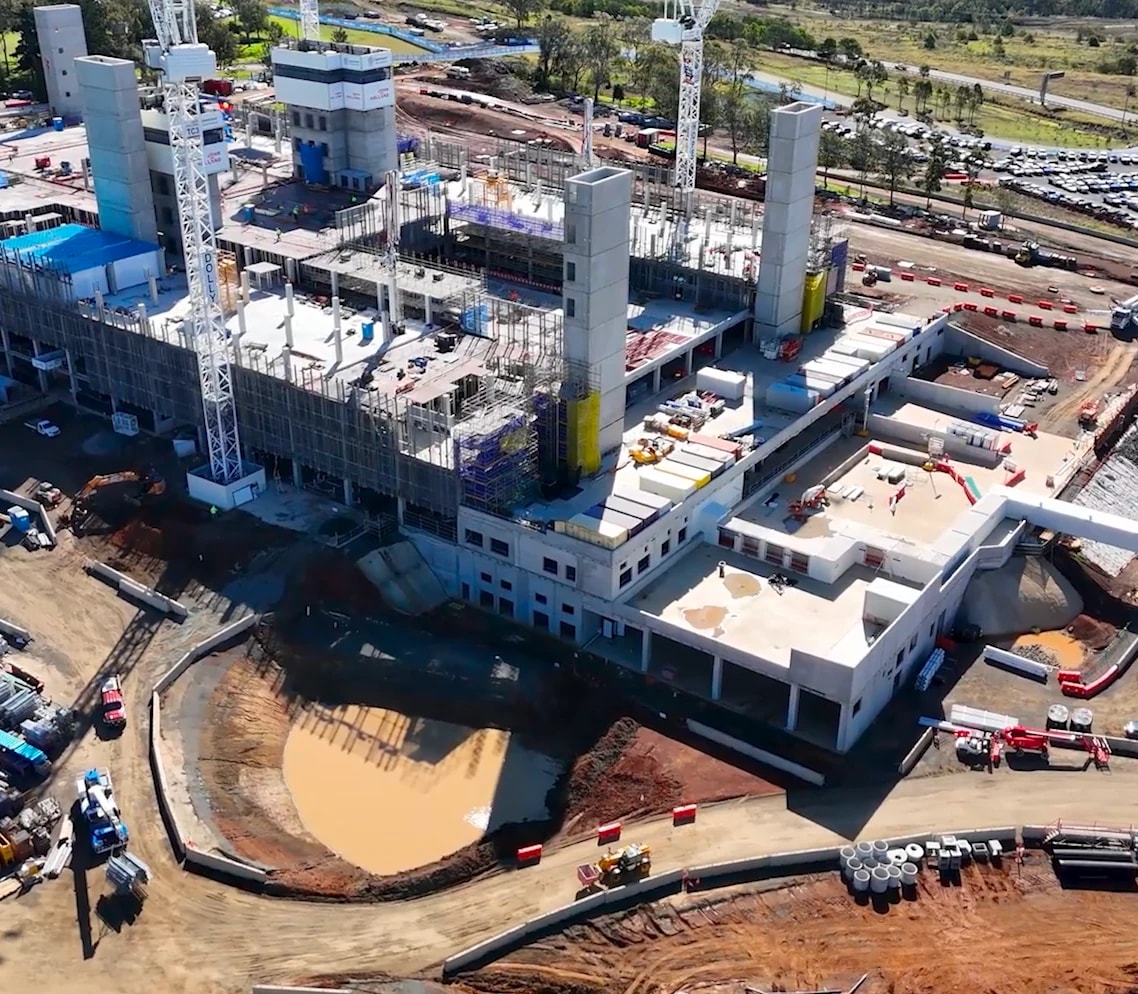
The New Toowoomba Hospital gives TMF a useful reminder that not every machinery opportunity is a mega-earthworks story. Staged social infrastructure can support compact equipment, materials handling, site preparation, small civil works and flexible support fleet. Operators should assess whether a smaller, versatile machine could be a more practical move than a larger asset with uncertain utilisation.
Back to project examples | Back to contents
Approval is not the whole answer
A common mistake is treating finance as a yes-or-no question. In reality, the approval is only one part of the outcome. The structure matters because it affects cashflow, flexibility and the ability to keep operating while the asset begins earning.
The better questions are:
- Will this asset earn quickly enough to support the repayment?
- Does the structure protect working capital during mobilisation?
- Is the deposit position realistic without weakening the business?
- Would a balloon, term or repayment structure change flexibility?
- Does the business still have room to move if another opportunity appears?
This is where early discussion helps. Not because the operator needs to commit immediately, but because the business can make decisions with fewer unknowns.
What smart operators do before procurement
- Identify the work signal before the machine decision is urgent.
- Shortlist the machine class and named models that fit the work environment.
- Speak to suppliers early enough to understand price, availability and lead time.
- Understand likely finance capacity and what documents may be required.
- Compare structures based on cashflow and utilisation, not just headline rate.
- Preserve enough working capital for mobilisation and operating pressure.
- Get advice before the supplier, project or client timing starts driving the decision.
TMF Insight
At TMF, the aim is not to push operators into equipment before the timing is right. The aim is to help them understand their options before the timing becomes urgent.
That means looking at how the machine earns, how the repayments fit, what the lender may need, and how to preserve flexibility while the business prepares for work.
Final thought
Prepared operators do not always move first because they are more aggressive. Often, they move first because they have fewer unknowns. They know the machine class they are looking for. They know what information lenders may need. They know what structure could support the asset. And they know when to say no.
If a machine decision is likely in the next few months, the safest starting point is not rushing to buy. It is getting clear before procurement pressure appears.
Get Fast Answers from TMF before your next machine decision.
Frequently asked questions
Is finance pre-approval the same as taking on debt?
No. It means understanding likely funding capacity and lender requirements before committing to a purchase. The operator still needs to assess whether the machine and timing make sense.
Why should operators start before procurement?
Because supplier timing, lender requirements and cashflow planning can all take time. Early clarity helps avoid rushed decisions.
What information may be needed for equipment finance?
This depends on the lender and deal, but may include business financials, bank statements, asset details, supplier quote, tax information and details about how the asset will be used.
Should the lowest rate always decide the finance structure?
No. Rate matters, but structure, term, deposit, balloon, working capital impact and utilisation can matter just as much commercially.
What should operators do if they are not ready to buy yet?
They can still map likely options, understand capacity, shortlist asset types and prepare information before timing becomes urgent.