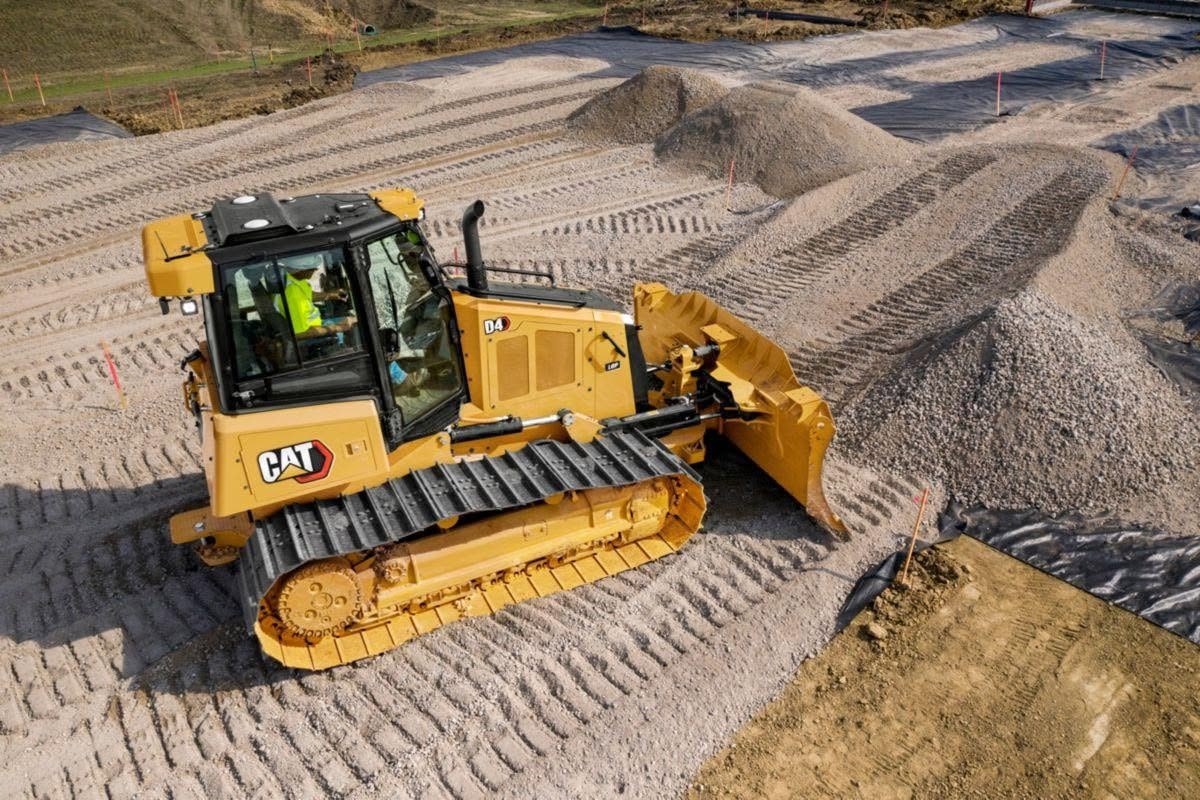
Almost $8 billion in major infrastructure activity is moving across rail, energy, road and regional health infrastructure.
For Australian operators, the question is not only where the work is. The stronger question is whether fleet, finance and timing are ready before the opportunity becomes urgent.
That matters because major projects rarely create demand in one clean wave. They move through awarded packages, staged delivery, enabling works, site access, earthworks, utilities, subcontractor demand and support fleet requirements. By the time a machine is urgently needed, the operators in the strongest position are often not starting from scratch. They already understand what they may need, what they can fund, and how the numbers could work.
This July update looks at four active project signals and what they may mean for contractors, transport operators, plant hire businesses and machinery-heavy companies preparing for the next move.
On this page
- July infrastructure activity snapshot
- Why finance readiness matters now
- Project deep dives
- What finance-ready operators should review
- The commercial mistake to avoid
- How TMF thinks about machinery finance
- Smart operator checklist: July
- Final thought
- Frequently asked questions
- Related TMF reading
July infrastructure activity snapshot
| Project | Value to use | Status | Sector | Machine demand signal |
|---|---|---|---|---|
| The Wave Stage One, Beerwah to Caloundra Rail | $5.5 billion | Awarded | Rail | Volvo A40G Articulated Hauler / articulated hauler class |
| Brigalow Gas Peaking Plant | $380 million Balance of Plant contract | Awarded | Energy | Komatsu PC290LC-11 Hydraulic Excavator / 30-tonne excavator class |
| New Richmond Bridge and Traffic Improvements Stage 2 | $658 million total investment | Awarded | Road / bridge | Komatsu GD655-7 Motor Grader / grader class |
| New Toowoomba Hospital | $1.3 billion conservative project value; up to $2 billion subject to replanning | Awarded | Social infrastructure | Bobcat T86-2 Compact Track Loader / compact track loader class |
For July content, TMF should use the conservative headline: almost $8 billion in major infrastructure activity is moving. That figure uses the $5.5 billion Wave Stage One value, the $380 million Brigalow Balance of Plant contract, the $658 million New Richmond Bridge Stage 2 investment and the conservative $1.3 billion Toowoomba Hospital value. Where higher Toowoomba estimates are referenced, they should be clearly described as subject to replanning.
Why finance readiness matters now
Finance readiness is not borrowing for the sake of it. It is knowing the business position before timing starts making the decision for you.
When an operator waits until the work is close, several moving parts can become harder to control:
- The right machine may not be available at the right time
- Supplier pricing and delivery timing may shift
- Lender information may need to be gathered quickly
- The business may need cash for mobilisation, wages, fuel, deposits and early project costs
- A rushed finance structure may technically fit on paper but still strain working capital
That is why the better finance question is not only: can this be approved?
The better question is: can this asset and structure support how the machine will actually earn?
Project deep dives
1. The Wave Stage One: rail works and material movement
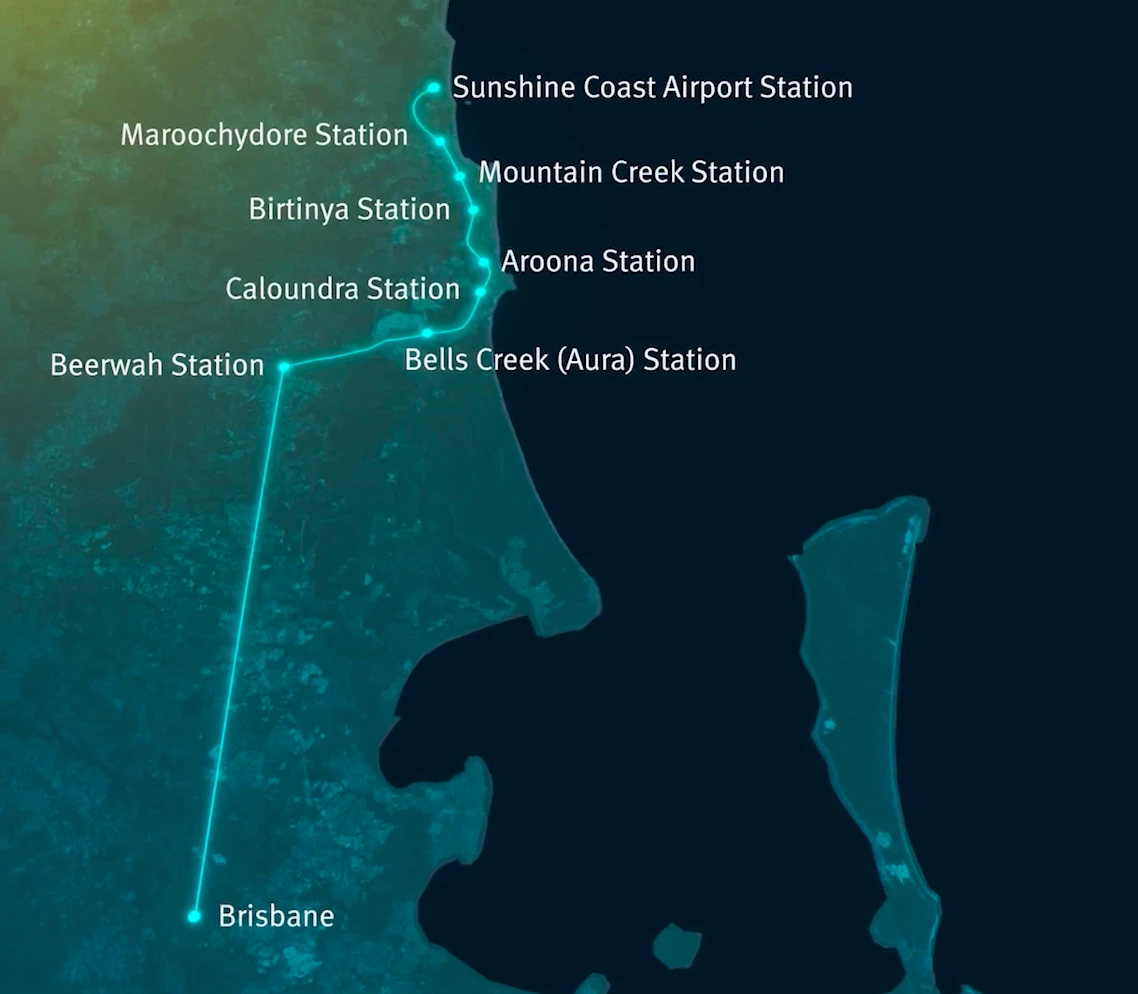
The Wave Stage One will deliver a new heavy rail connection between Beerwah and Caloundra, including new dual-track rail, new stations, corridor works, a significant viaduct structure, grade separations and supporting infrastructure. Stage One is expected to cost $5.5 billion.
For operators, the practical signal is not simply the headline value. Major rail works can create demand across access preparation, earthworks, drainage, haulage, compaction, civil support fleet and material movement. These environments often reward contractors who can maintain site flow and support staged delivery.
Machine lens: Volvo A40G Articulated Hauler
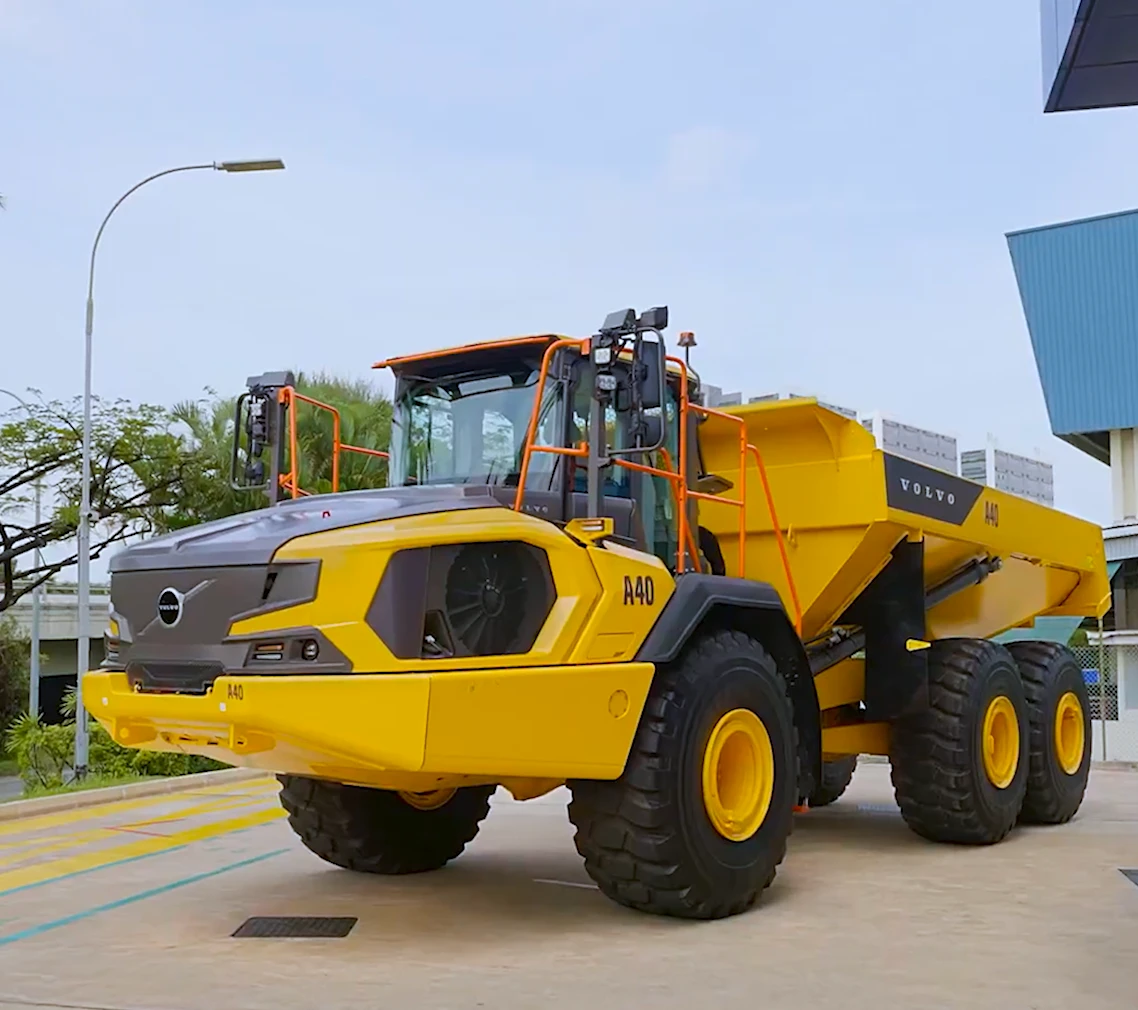
A machine class that helps explain this environment is the articulated hauler. A model like the Volvo A40G Articulated Hauler is useful because it lets us discuss material movement, haul road conditions, payload, cycle time, traction and matching haulage capacity to excavation output.
The commercial question is not just whether a larger truck looks useful. It is whether the asset improves productivity enough to support the finance structure.
TMF lens: rail and corridor work often rewards operators who review haulage, access and support capacity before packages create urgency.
2. Brigalow Gas Peaking Plant: energy reliability still needs civil capability
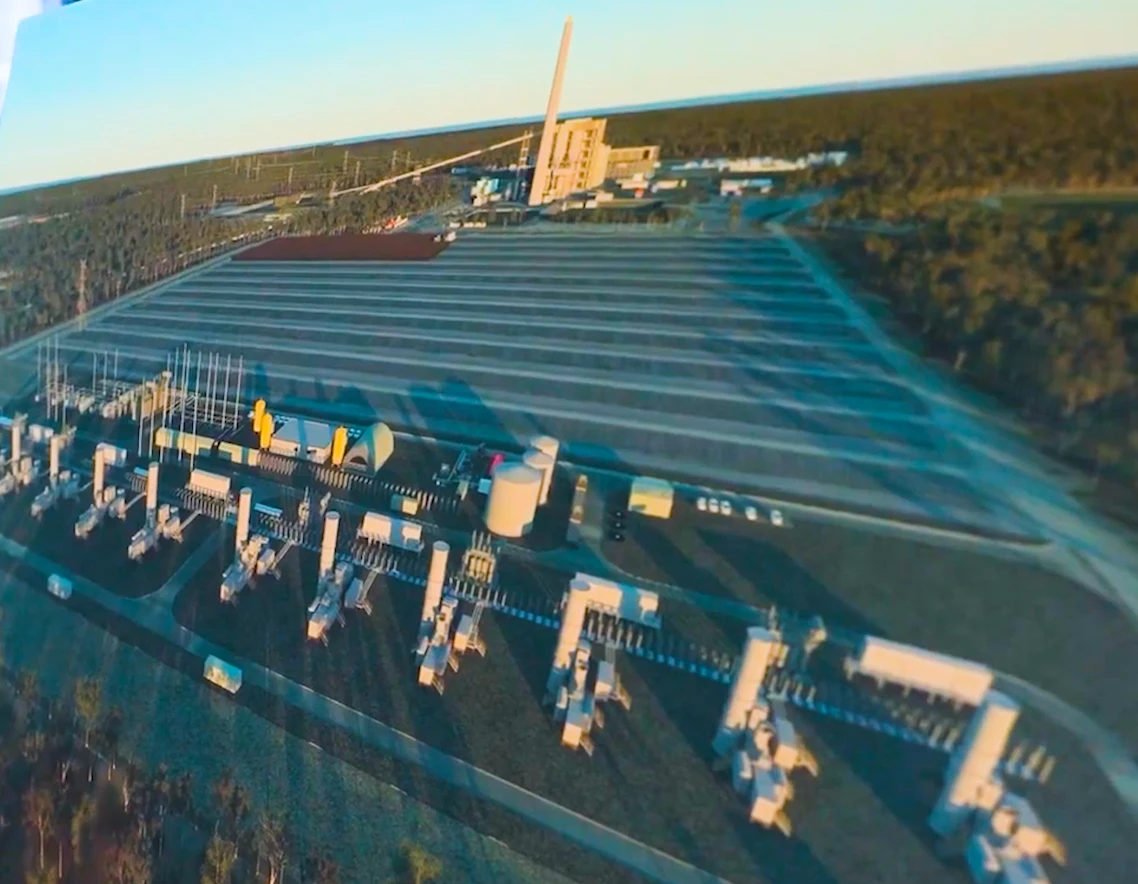
The Brigalow Gas Peaking Plant is a 400 MW power plant near Chinchilla in Queensland's Western Downs. CS Energy has awarded Monadelphous a $380 million Balance of Plant contract, and the project includes civil and mechanical works, piping and gas turbine installation.
Energy infrastructure is often discussed through generation, grid and policy language. Operators should look one level lower. These projects still need access, site preparation, earthworks, foundations, trenching, drainage, services and practical civil capability.
Machine lens: Komatsu PC290LC-11 Hydraulic Excavator
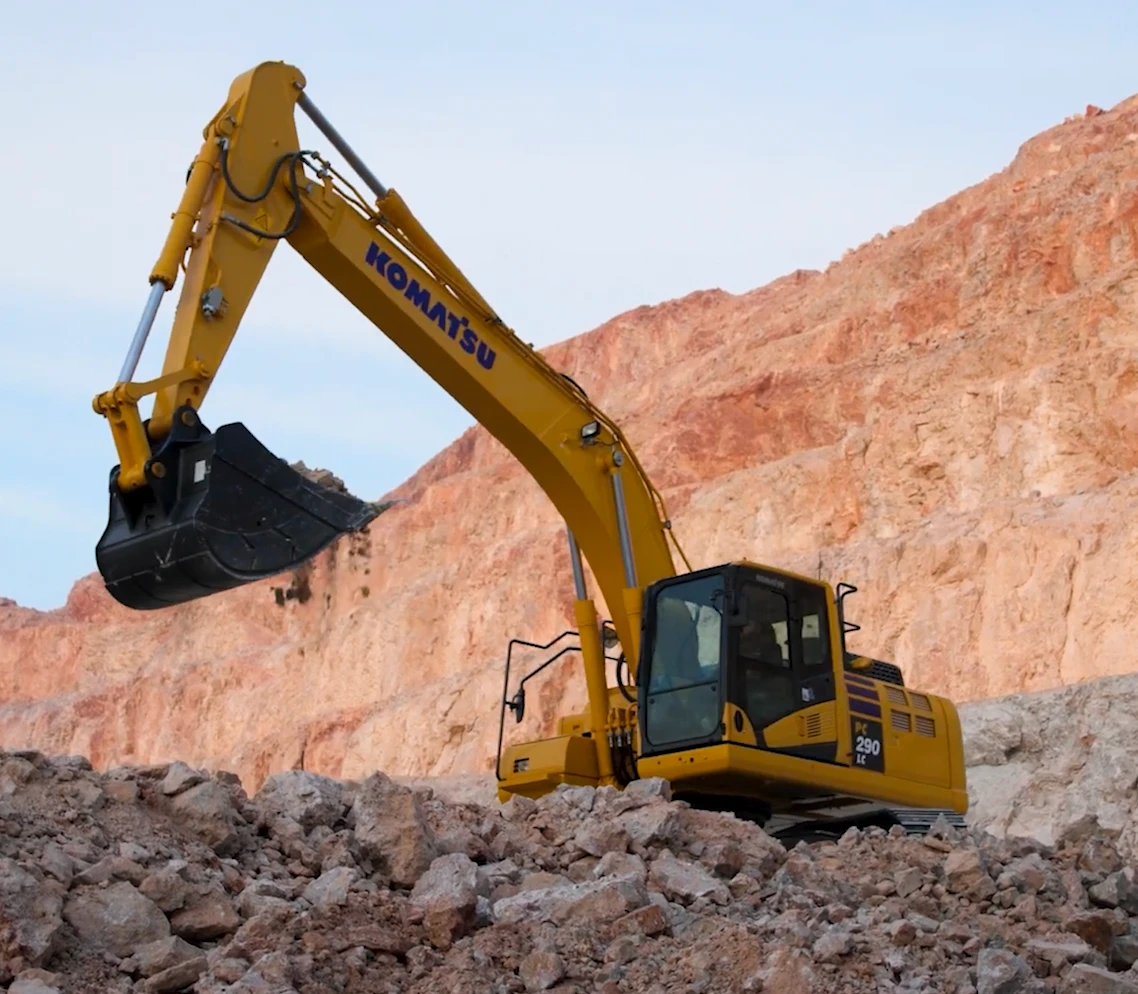
A machine class that fits this environment is the 30-tonne hydraulic excavator. A model like the Komatsu PC290LC-11 Hydraulic Excavator helps TMF explain digging force, reach, hydraulic response, attachment use, undercarriage stability, production capacity and the need for reliable performance across civil works.
TMF lens: regional energy projects can create opportunities for operators who know their funding capacity before procurement, supplier timing or subcontractor demand becomes time-sensitive.
3. New Richmond Bridge Stage 2: road, bridge and access pressure
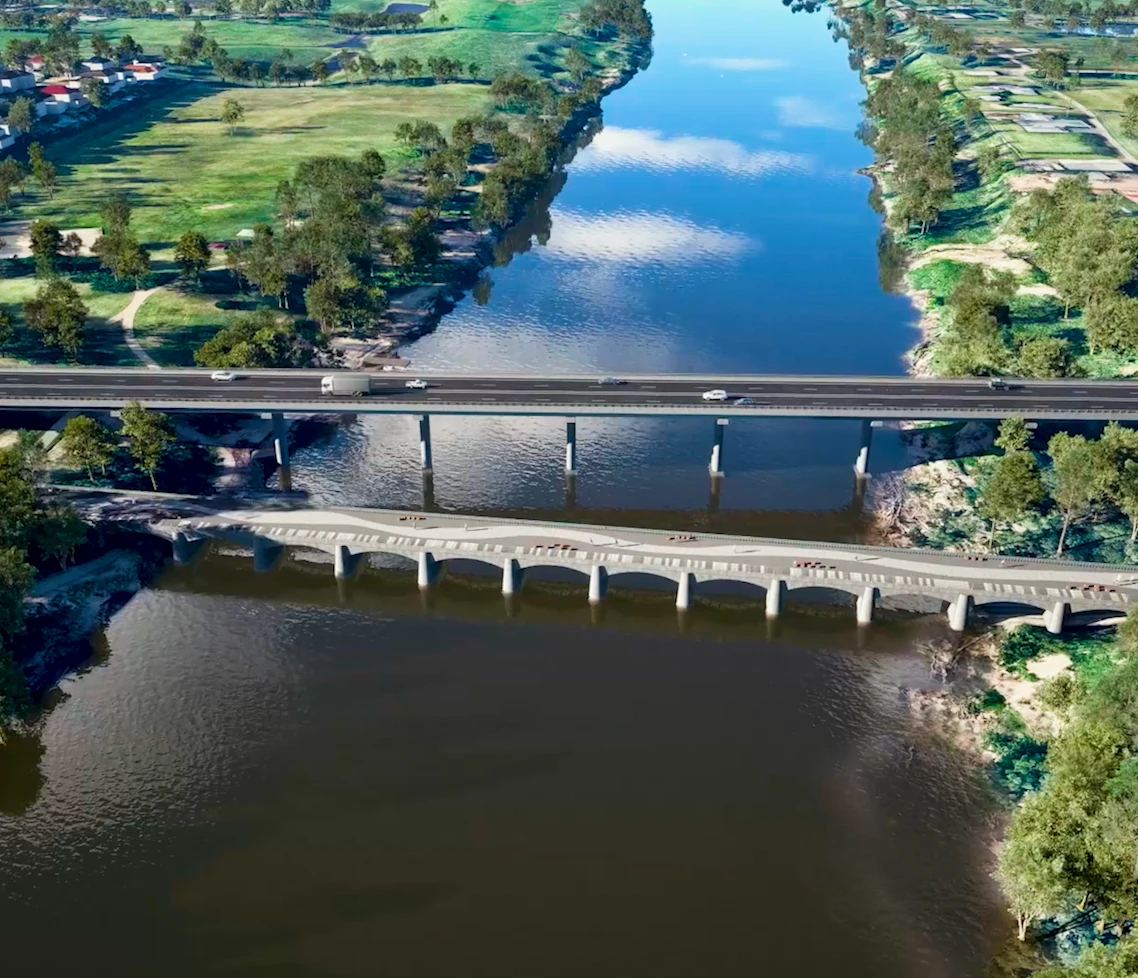
New Richmond Bridge and Traffic Improvements Stage 2 has a total investment of $658 million and includes a new four-lane bridge over the Hawkesbury River, road widening through North Richmond, intersection improvements, a new bypass south of Richmond town centre and improved pedestrian and bicycle connections.
Road and bridge projects can place real pressure on access, formation, drainage interfaces, road widening, staging and surface preparation. That creates a strong content link to graders, compaction equipment, excavators and haulage support.
Machine lens: Komatsu GD655-7 Motor Grader
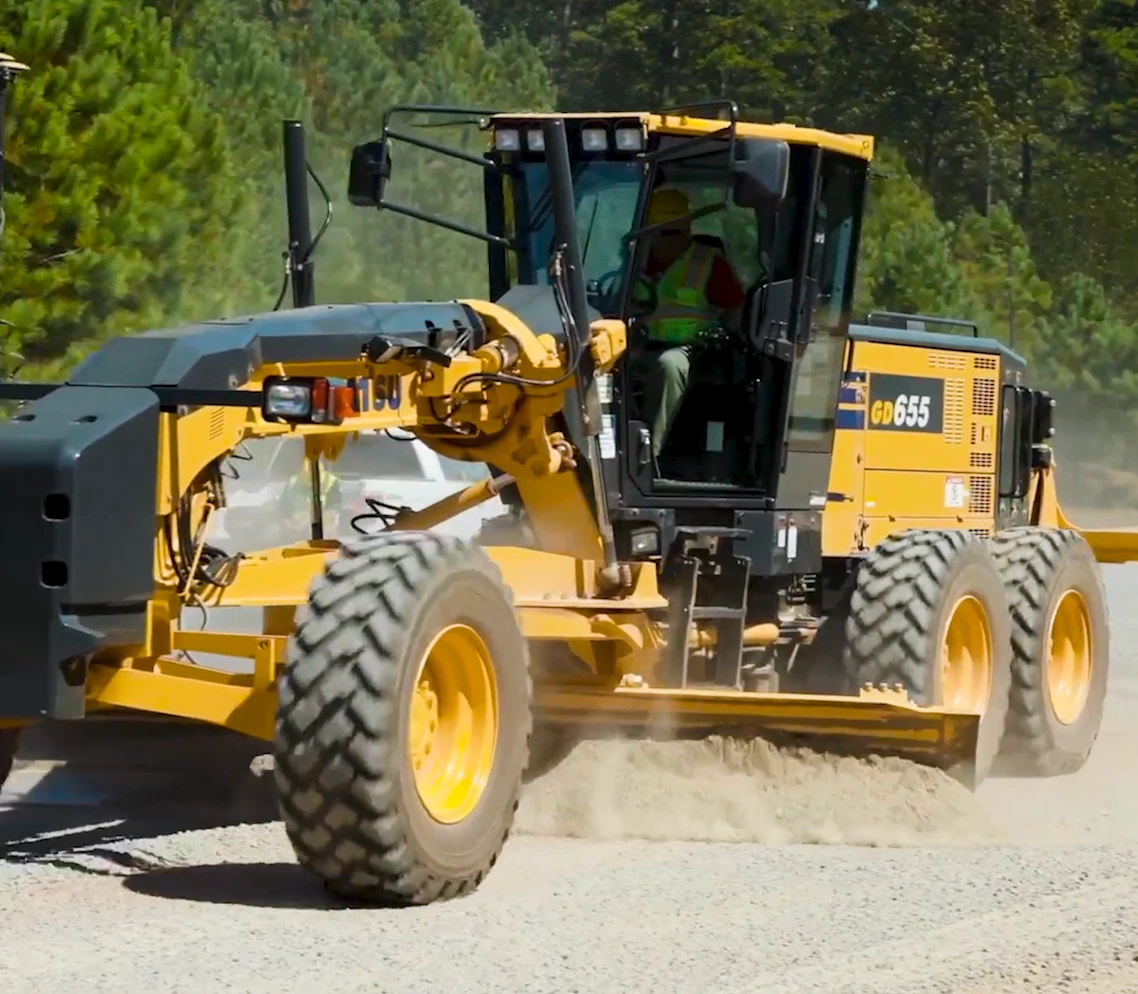
A model like the Komatsu GD655-7 Motor Grader is useful because it gives TMF a practical way to talk about access preparation, road formation, consistent grading, surface control and why support equipment can protect project momentum.
On road jobs, it is not only headline excavation that matters. If access or grading falls behind, the wider project can slow down.
TMF lens: Protect Uptime is not only about replacing the biggest asset. Sometimes the weak link is the support machine that holds up the rest of the fleet.
4. New Toowoomba Hospital: regional social infrastructure and versatile support equipment
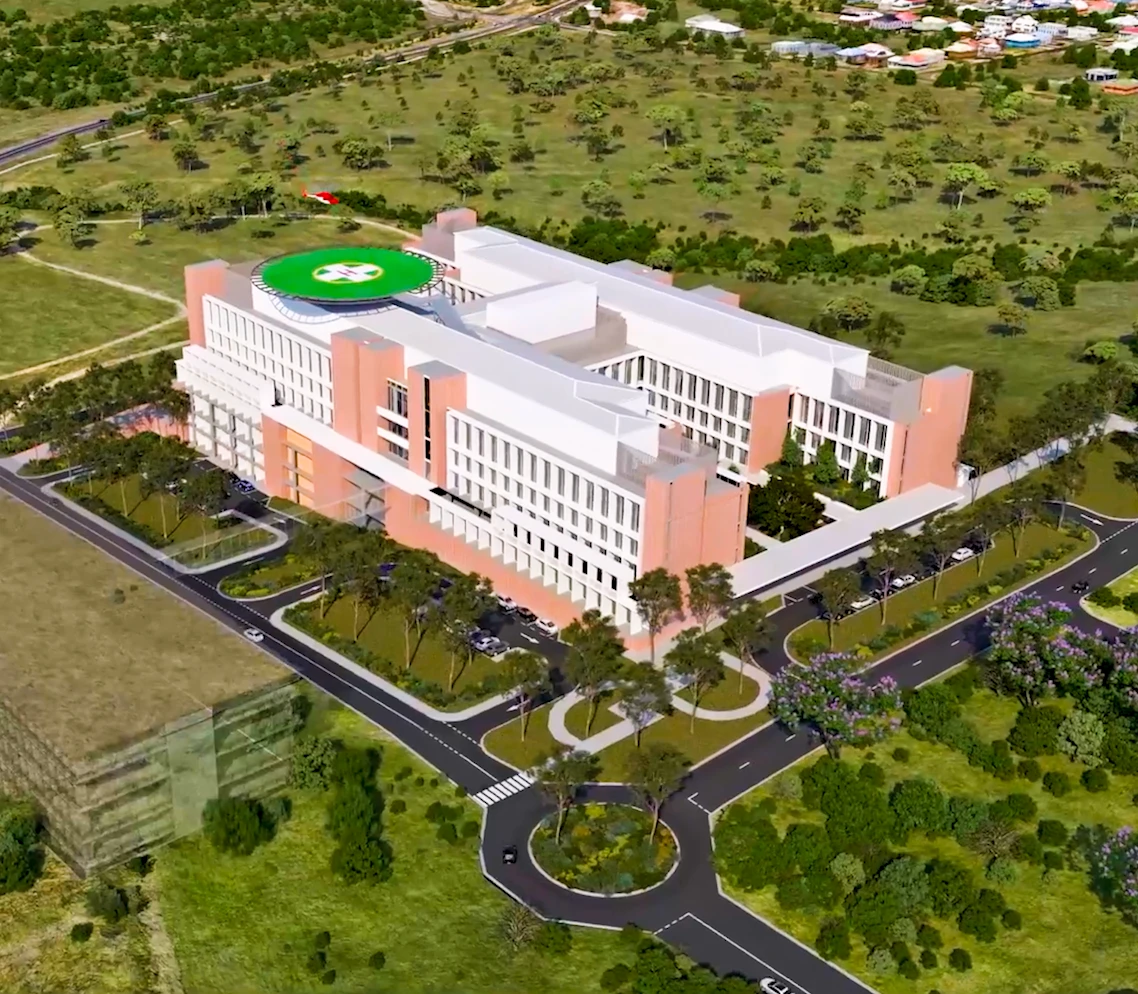
The New Toowoomba Hospital has been awarded and is planned for the Baillie Henderson campus. The full scope includes a new hospital with 538 overnight beds, an 84-bed acute mental health facility, a multi-storey car park, emergency department treatment spaces, medical imaging, pharmacy and pathology services and a new cancer care centre. TMF should use $1.3 billion as the conservative project value unless updated cost information is confirmed for publication.
Regional health and social infrastructure projects may not sound like machinery stories at first. But staged construction can create demand for site preparation, compact plant, materials handling, trenching, small civil works, support vehicles and flexible equipment that can move across changing scopes.
Machine lens: Bobcat T86-2 Compact Track Loader
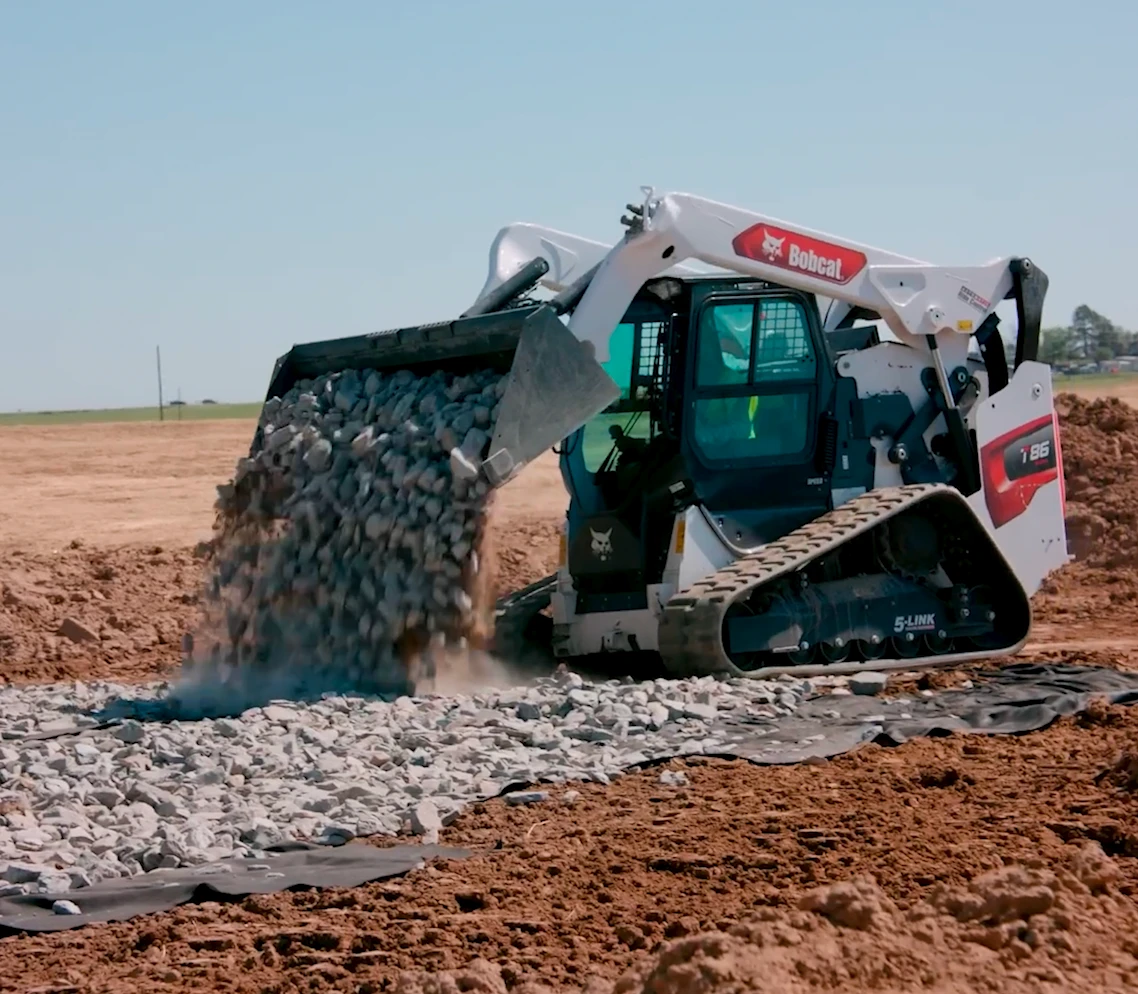
A model like the Bobcat T86-2 Compact Track Loader helps TMF explain how versatile support equipment can help operators add practical capability without overcapitalising into larger fleet that may not be fully utilised. This is a strong Grow Without Overstretching story.
TMF lens: not every growth move needs to be a large machine. Sometimes a versatile, high-utilisation support asset can create a smarter next step.
What finance-ready operators should review
Finance readiness should be practical. Operators do not need to overcomplicate it. They should be able to answer four questions before the machine decision becomes urgent.
| Readiness area | Question to ask | Why it matters |
|---|---|---|
| Work signal | What projects, tenders, contracts or demand signals could affect the next 3-12 months? | The work environment should guide the asset decision. |
| Fleet gap | Which machine class would remove a constraint or create delivery confidence? | The goal is not more machinery. It is the right income-producing asset. |
| Commercial value | How will the asset earn, improve output or reduce operational friction? | Finance should be tied to utilisation, cashflow and productivity. |
| Finance capacity | What funding capacity, deposit position and structure may be realistic? | Knowing this early protects choice and reduces rushed decisions. |
The commercial mistake to avoid
The mistake is not always waiting. Sometimes waiting is the right decision. The mistake is waiting without knowing the numbers.
When operators have no clarity on funding capacity, supplier timing, repayment range or asset priority, every decision becomes more pressured once work is close. That can lead to weaker negotiating leverage, rushed structures, cashflow strain or missed opportunities.
Good operators are not buying gear for the sake of it. They are reviewing whether a specific asset can help the business win more work, protect uptime, upgrade strategically or grow without overstretching.
How TMF thinks about machinery finance
At TMF, the conversation should not stop at approval. The stronger conversation is about the asset, the work environment and the commercial structure behind the decision.
- How does the machine earn income?
- Does the asset match the kind of work the operator is targeting?
- Will the repayment structure support expected utilisation?
- Does the business need to preserve working capital for mobilisation?
- Is the timing right, or is the decision being forced by urgency?
- Does the structure leave room for the next opportunity?
Finance should strengthen the business, not create hidden pressure behind the scenes.
Smart operator checklist: July
- Identify the project or sector signals that match your capability.
- List the one or two machine classes most likely to support upcoming work.
- Shortlist named models, not just generic machine types.
- Check likely supplier timing and availability before urgency appears.
- Understand what financials, asset details and structure options may be needed.
- Protect working capital for mobilisation, wages, fuel and early project costs.
- Talk to TMF before the machine decision becomes time-sensitive.
Final thought
Almost $8 billion in major activity is moving across four very different infrastructure environments. Rail, energy, road and regional health infrastructure each create different machinery signals, but the same commercial truth applies: operators who understand their fleet, finance and timing before the work lands are usually in a stronger position than those reacting once pressure appears.
If upcoming work, fleet capacity or a machine move is on the radar, now is the time to map the numbers clearly.
Talk to TMF before the work lands.
Frequently asked questions
What does finance readiness mean?
It means understanding funding capacity, likely lender requirements, asset details, supplier timing, deposit position, repayment structure and cashflow impact before the machine decision becomes urgent.
Does finance readiness mean applying for finance immediately?
Not necessarily. It means creating clarity early so the business can move with more control when the right asset or opportunity appears.
Why does project timing matter for machinery finance?
Because supplier timing, lender information, deposit requirements and mobilisation costs can all become harder to manage when the work is already close.
Should operators buy machinery before work is confirmed?
Not automatically. The smarter move is to understand options, assess likely utilisation and know what structure may be available before committing.
Why use named machine models in content?
Named models make the discussion more practical. They help operators think about actual machine class, output, suitability, utilisation and finance structure rather than vague equipment categories.
Related TMF reading
- Finance Pre-Approval Before Procurement: Why Prepared Operators Move Faster
- Mobilisation Windows: How Equipment Timing Can Shape Project Delivery
- The Right Asset at the Right Time: Matching Machinery Decisions to Contractor Demand
General information only
This article is general information only. It does not provide personal financial advice. Finance approval, rates, terms and structures depend on lender assessment, business circumstances and asset details. Project details and values should be verified before publication and kept current at time of upload.