Live
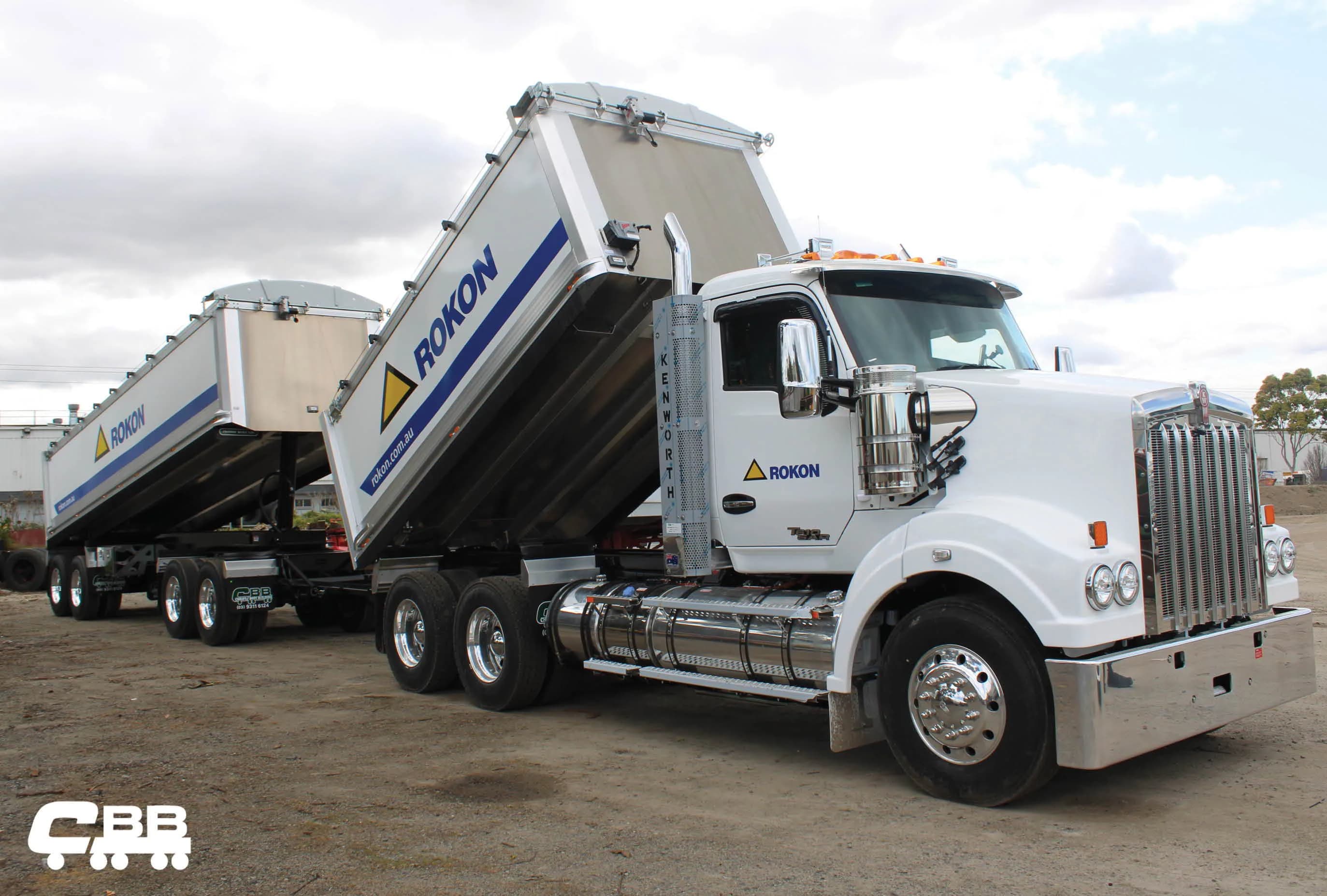
Tipper truck unloading on construction site

Protect uptime before pressure compounds.

Ageing equipment can affect more than repair costs. TMF helps operators review weak links, replacement timing, fleet reliability and finance pathways before downtime starts disrupting live work.

Strong operators replace weak links before live jobs expose them.

Most downtime becomes expensive long before the machine actually stops.

For many operators, the real cost of ageing machinery is not the repair bill itself. It is the pressure downtime places on schedules, utilisation, delivery confidence, labour productivity, project consistency and margin protection.

TMF helps operators review replacement timing, understand lifecycle pressure and structure upgrades before downtime starts affecting the wider business.

Fast-moving approvals40+ lender panelEquipment finance built for operatorsReplacement planning support
Trusted by40+ lender panel|12 live projects|501 machines compared|MFAA member · AFCA

Downtime rarely arrives alone.

One breakdown can quickly affect crews, schedules, utilisation, subcontractors and margin. The strongest operators review replacement timing before a weak link starts disrupting live work.

  • Idle labour
  • Delayed crews
  • Subcontractor disruption
  • Scheduling pressure
  • Missed utilisation
  • Compressed margins
Compare replacement options

What we’re seeing

Across transport, civil, construction and machinery-heavy businesses, operators are reviewing fleet age, repair frequency and replacement timing earlier. The decision is no longer just whether a machine still runs — it is whether it can keep supporting schedule confidence, utilisation and margin.

  • Repair frequency is increasing
  • Labour costs are higher
  • Downtime recovery is harder
  • Project schedules are tighter
  • Availability pressure remains elevated

Operator scenarios

Prime mover replacement before escalating downtime

A transport operator running older prime movers was seeing repair frequency increase and schedule confidence reduce. TMF helped the business review replacement timing, repayment structure, operating cost pressure and future reliability before downtime became a larger utilisation issue.

Outcome: a cleaner transition before downtime affected delivery consistency.

Earthmoving fleet reliability planning

An earthmoving business operating across multiple projects needed more predictable machinery performance as utilisation increased. TMF helped review ageing asset exposure, replacement priorities, staged upgrade timing and cashflow structure.

Outcome: better fleet consistency without rushing the replacement decision.

Operator avoiding live-job disruption

An operator with a critical machine nearing the end of its reliable working life needed to avoid a breakdown during live project delivery. TMF helped compare replacement options, finance timing and upgrade pathways before the machine created a wider scheduling issue.

Outcome: replacement planning before the weak link became a live-job problem.

Why weak links become expensive

A machine does not need to fail completely to start costing the business. Increasing repairs, uncertain availability and reduced productivity can quietly create pressure across crews, schedules, cashflow and margin.

  • Downtime economics
  • Repair escalation
  • Replacement timing
  • Fleet reliability
  • Utilisation loss
  • Scheduling pressure

As delivery pressure increases, reliability becomes a commercial advantage — not just an operational preference.

Related insights

Read more on downtime economics, repair escalation, replacement timing and the fleet reliability trends shaping machinery decisions.

Protect uptime before pressure compounds.

If a machine is becoming less reliable, the real cost may not be the repair bill. It may be the disruption, lost utilisation and operational pressure it creates across the business. TMF can help you review fleet reliability, replacement timing, downtime risk, cashflow impact and finance pathways before pressure compounds.

  • Replacement timing
  • Upgrade pathways
  • Lifecycle strategy
  • Commercial structure options