National Equipment Demand Signals Beyond the Headlines
Major projects attract attention, but real contractor opportunity often sits one layer below the headline announcements.
This report explores where practical equipment demand is emerging, which machinery classes are likely to stay commercially relevant, and how operators can align fleet and finance readiness before urgency appears.
In This Report
- Where practical contractor demand is emerging beyond major headline projects
- Which machinery classes are likely to stay commercially relevant in 2026
- Why utilisation and versatility matter more than vanity purchases
- What operators are doing to align fleet with upcoming work
- How finance readiness can create timing advantage
Table of Contents
- In This Report
- The Real Opportunity Is Often Beyond the Headlines
- National Demand Signals Snapshot
- Energy Corridors
- Regional Roads
- Urban Precinct Works
- Utilities & Water
- Three Fleet Alignment Mistakes
- Equipment Demand Signals for 2026
- Strategic Finance Readiness
- Smart Operator Checklist
- Final Word
- Planning Your Next Move?
- This Month's Related Insights
- FAQs
The Real Opportunity Is Often Beyond the Headlines
Major projects attract attention.
They create headlines, investment figures and public announcements.
But many contractors know the real commercial opportunity often sits one layer below that.
Not only in billion-dollar flagship projects, but in the surrounding ecosystem of:
- Enabling works
- Utilities upgrades
- Subcontract packages
- Regional transport improvements
- Site preparation
- Supporting civil packages
That means smart operators are not only asking:
"What has been announced?"
They are asking:
"Where is practical equipment demand likely to emerge next?"
That is where strategic asset alignment becomes valuable.
National Demand Signals Snapshot
Transmission & Energy Corridors
Demand outlook: Strong
Typical asset need: 20-25t excavators and trenching support plant
Commercial insight: Long-duration packages reward reliable fleet.
Regional Road Upgrades
Demand outlook: Active
Typical asset need: Mid-size excavators, rollers and drainage plant
Commercial insight: Uptime often matters more than headline size.
Urban Precinct Construction
Demand outlook: Growing
Typical asset need: Compact excavators and support fleet
Commercial insight: Tight-access versatility creates utilisation.
Water & Utility Upgrades
Demand outlook: Consistent
Typical asset need: Excavators, vacuum trucks and support assets
Commercial insight: Recurring work can create dependable revenue.
Bulk Earthworks Packages
Demand outlook: Selective
Typical asset need: Haulage, loaders and larger excavators
Commercial insight: Material flow determines site productivity.
1. Energy Corridors: Reliability Over Showpiece Fleet
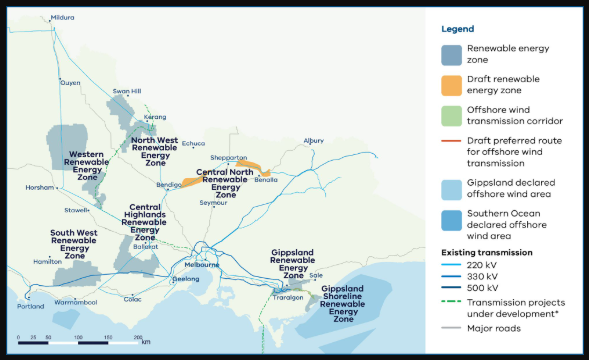
As transmission and renewable infrastructure expands, contractors involved in enabling works, trenching and foundations are likely to see continued demand.
These packages often favour machines that can deliver long operating hours with low disruption.
Typical Demand Signals
- 20-25 tonne excavators
- Trenching support assets
- Compaction plant
- Service support fleet
Commercial Truth
A dependable mid-size excavator that starts every day and burns fuel efficiently can outperform a premium asset with inconsistent uptime.
2. Regional Roads: The Quiet Opportunity Market
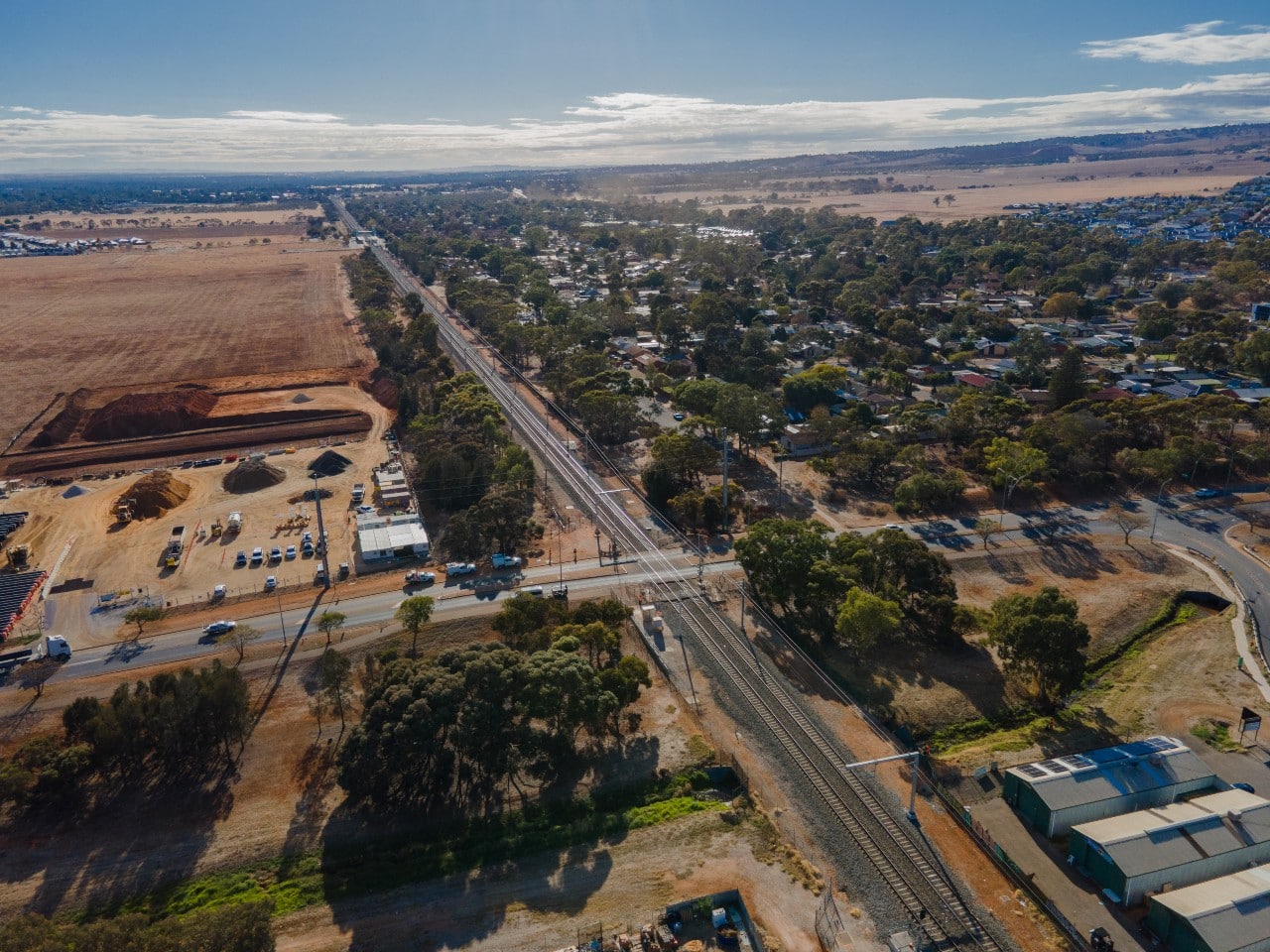
Not all profitable work sits in metro megaprojects.
Regional road upgrades, freight corridor works and duplication packages often generate steady demand for contractors with the right fleet mix.
Typical Demand Signals
- Mid-size excavators
- Rollers
- Drainage equipment
- Support trucks
- Utility relocation assets
Why This Matters
These jobs may attract less noise, but often provide:
- Longer work continuity
- Less crowded competition
- Stronger repeat opportunity
3. Urban Precinct Works: Versatility Wins
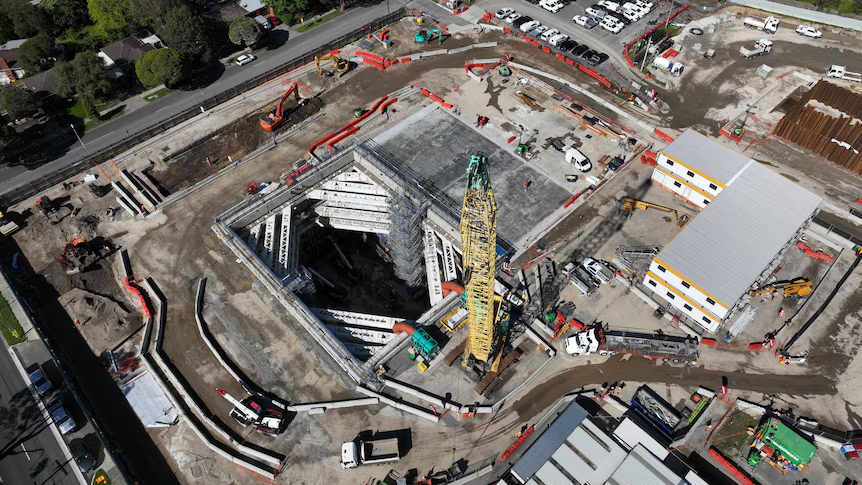
Civic, hospital, education and precinct upgrades create a different equipment equation.
Space constraints and multiple live trades often reward assets that can perform across many scopes.
Typical Demand Signals
- Compact excavators
- Low-footprint support plant
- Service installation fleet
- Flexible site assets
Commercial Insight
A machine that can earn across ten smaller packages may outperform a larger machine waiting for one perfect job.
4. Utilities & Water: Consistency Can Beat Hype
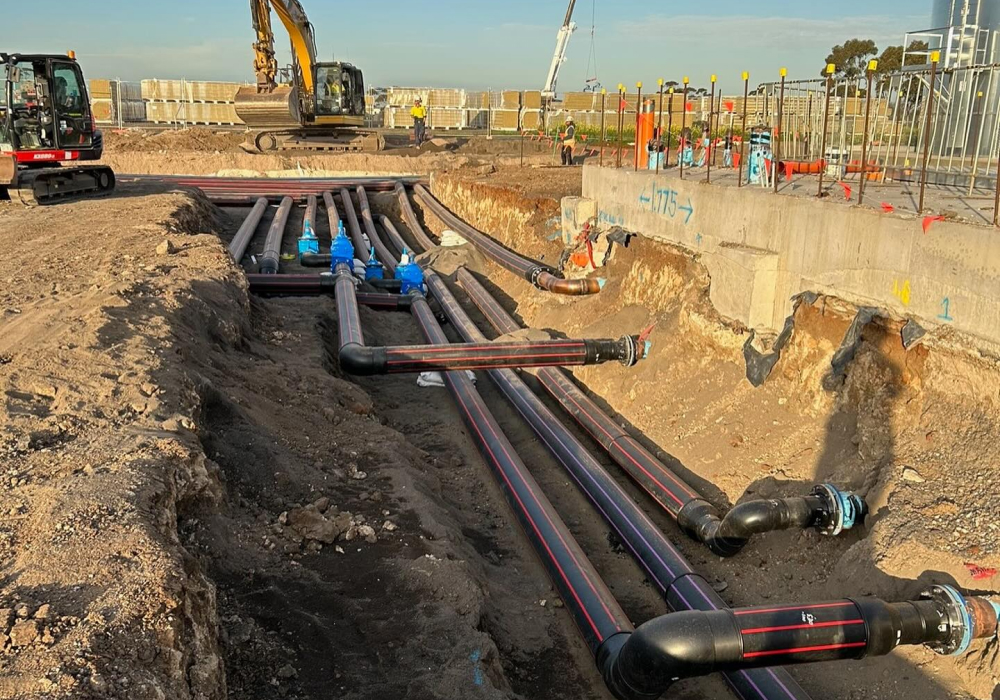
Water infrastructure, sewer upgrades, pipeline replacement and utility maintenance often lack the glamour of headline projects.
But for many contractors, they can be commercially attractive.
Typical Demand Signals
- Excavators
- Vacuum trucks
- Trenching support plant
- Compact fleet
- Traffic management support assets
Why Operators Like This Work
- Recurring pipeline
- Broad geographic spread
- Repeat client relationships
- Predictable demand cycles
Three Fleet Alignment Mistakes Smart Operators Avoid
Mistake 1: Buying for Status, Not Utilisation
The best-looking machine is not always the best-performing asset.
Mistake 2: Ignoring Secondary Markets
Many fleets chase only flagship projects while missing profitable adjacent work.
Mistake 3: Waiting Until Need Is Urgent
Urgency often reduces choice, pricing leverage and finance flexibility.
Equipment Demand Signals for 2026: What Is Staying Relevant
Across sectors, the most commercially resilient demand often sits in assets that are versatile rather than ultra-specialised.
Likely Strong Performers
- 20-25t excavators
- Compact excavators
- Articulated haulage
- Drainage and trenching support plant
- Rollers and compaction fleet
- Service support vehicles
Why
These assets can move across:
- Transport
- Utilities
- Civic works
- Regional packages
- Private development support works
That flexibility often protects utilisation.
Strategic Finance Readiness: Quiet Edge, Big Advantage
Many businesses focus only on machinery selection.
But timing often decides outcomes.
Operators who understand their funding capacity before a machine is urgently needed may gain advantages in:
- Negotiation timing
- Asset availability
- Ability to act quickly
- Preserving working capital
Strong Readiness Looks Like
- Known borrowing capacity
- Repayments aligned to cashflow
- Flexibility for future purchases
- Options before pressure arrives
Smart Operator Checklist: Next 90 Days
Fleet
- Which assets are underutilised?
- Which assets create downtime risk?
- Which class of machine would create immediate income?
Market
- Where is adjacent work emerging beyond headline projects?
- Which sectors best match your capability?
Commercial
- Are you optimised for utilisation or prestige?
Finance
- What capacity exists today?
- Could staged upgrades reduce risk?
Final Word
The Australian opportunity set is broader than the headlines suggest.
The strongest contractors are often not chasing every major announcement.
They are quietly aligning fleet capability to the practical work that keeps moving.
That means choosing versatile assets, protecting utilisation and preserving the ability to act when timing matters.
Because in this market, visibility helps.
But readiness still wins.
Planning Your Next Move?
If you're reviewing fleet capability or planning your next income-producing asset, TMF can help structure practical funding aligned to utilisation, cashflow and growth timing.
Talk to TMF here: https://www.tmfinance.com.au/contact?intent=broker
This Month's Related Insights
- TMF May Industry Update: Infrastructure Demand Is Still Moving - But Positioning Matters More Than Ever
- Structuring Heavy Machinery Finance in Times of Uncertainty
- What Smart Contractors Are Doing Before Demand Accelerates in 2026
FAQs
What machinery is likely to stay in demand?
Versatile excavators, compact fleet, haulage and support assets remain commercially relevant across many sectors.
Should contractors only chase major projects?
No. Supporting packages and adjacent works often create strong opportunity.
Is bigger machinery always better?
Not if utilisation is weak.
What gives operators an edge in 2026?
Being aligned to real demand before urgency appears.