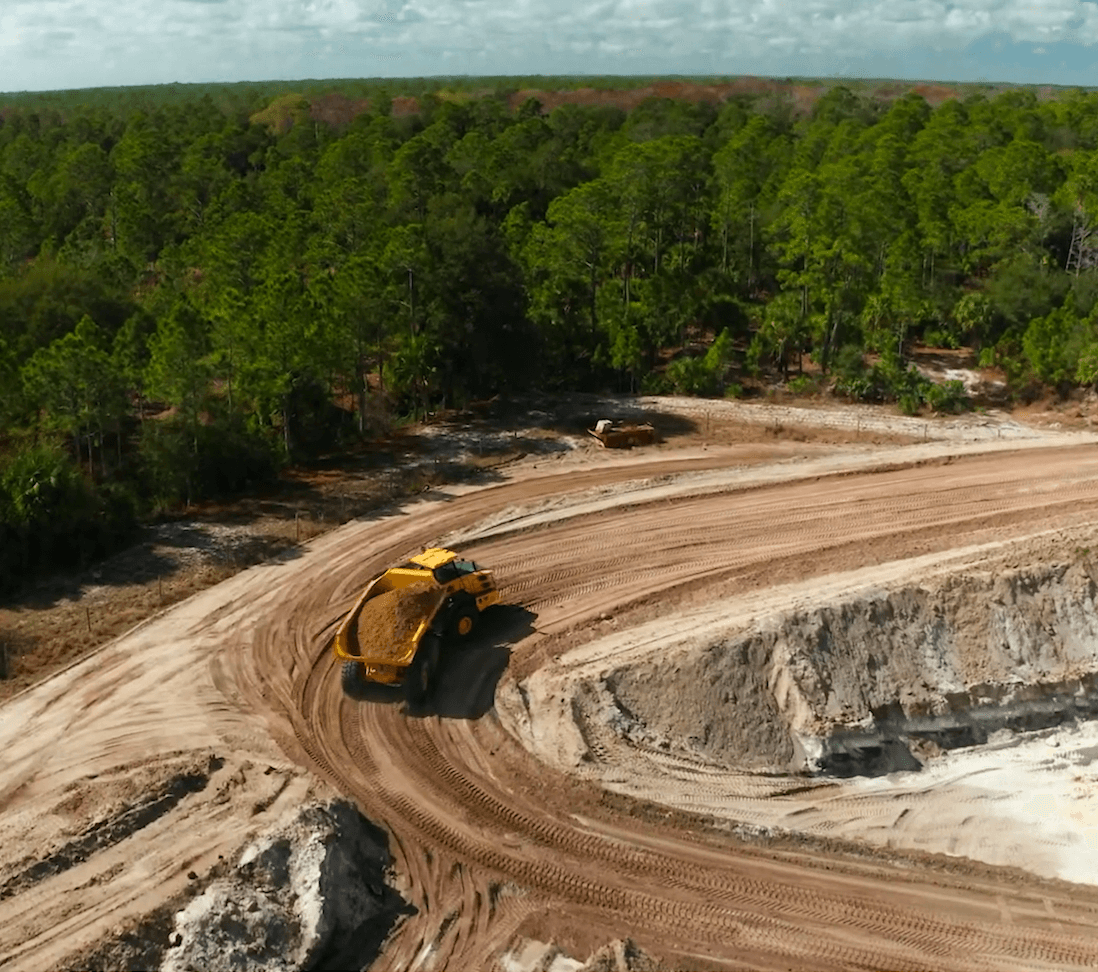
Infrastructure Pipeline, Equipment Demand & Finance Strategy
Australia's infrastructure pipeline remains active, but contractors are now operating in a more disciplined environment.
This article looks at where demand is moving, what machinery may remain commercially relevant, and why smart operators are aligning fleet, finance and mobilisation readiness before opportunity becomes urgent.
Market Snapshot: The Pipeline Remains Active - But Margins Need Managing
Across energy, transport and civic construction, the Australian project pipeline remains active. But contractors are now operating in a more disciplined environment.
Labour remains expensive. Fuel volatility still matters. Procurement windows can move quickly. Lender appetite is more selective than in previous years.
That means the businesses likely to perform strongest through 2026 are not simply those chasing volume.
They are the ones aligning:
- Fleet capability
- Asset efficiency
- Funding capacity
- Mobilisation readiness
In this market, positioning matters more than speed alone.
Table of Contents
- Market Snapshot
- Major Project Investment Snapshot
- Equipment Demand Signals
- Hunter Transmission Project
- Bribie Bridge & Major Transport Projects
- Brisbane Civic & Olympic Works
- The New Buying Lens
- Finance Has Become a Positioning Tool
- Structuring Finance in Times of Uncertainty
- Smart Operator Checklist
- Final Word
- Planning Your Next Move?
- This Month's Related Insights
- FAQs
Major Project Investment Snapshot
Hunter Transmission Project - NSW
Estimated investment: $3B-$5B
Sector: Energy
Current demand signal: Civil works, trenching and foundations
Bribie Island Bridge Upgrade - QLD
Estimated investment: $1B+
Sector: Transport
Current demand signal: Bulk earthworks, haulage and piling support
Cairns Western Arterial Upgrade - QLD
Estimated investment: ~$300M
Sector: Transport
Current demand signal: Drainage, utilities and road duplication
Brisbane Olympic / Stadium Pipeline - QLD
Estimated investment: Part of $7.1B program
Sector: Civic
Current demand signal: Compact machinery and constrained-site plant
Equipment Demand Signals: What the Market Is Likely to Need
Transmission & Energy
Likely equipment demand: 20-25t excavators, trenching support plant and compaction.
Why it matters: Long linear works with staged packages.
Bridges & Major Roads
Likely equipment demand: Excavators, articulated dump trucks and rollers.
Why it matters: Material flow often drives productivity.
Regional Roadworks
Likely equipment demand: Mid-size excavators, drainage plant and support fleet.
Why it matters: Precision and uptime across longer programs.
Urban Civic Projects
Likely equipment demand: Compact excavators and versatile support assets.
Why it matters: Tight-access environments and multi-trade sites.
1. Hunter Transmission Project: Preparation Beats Urgency
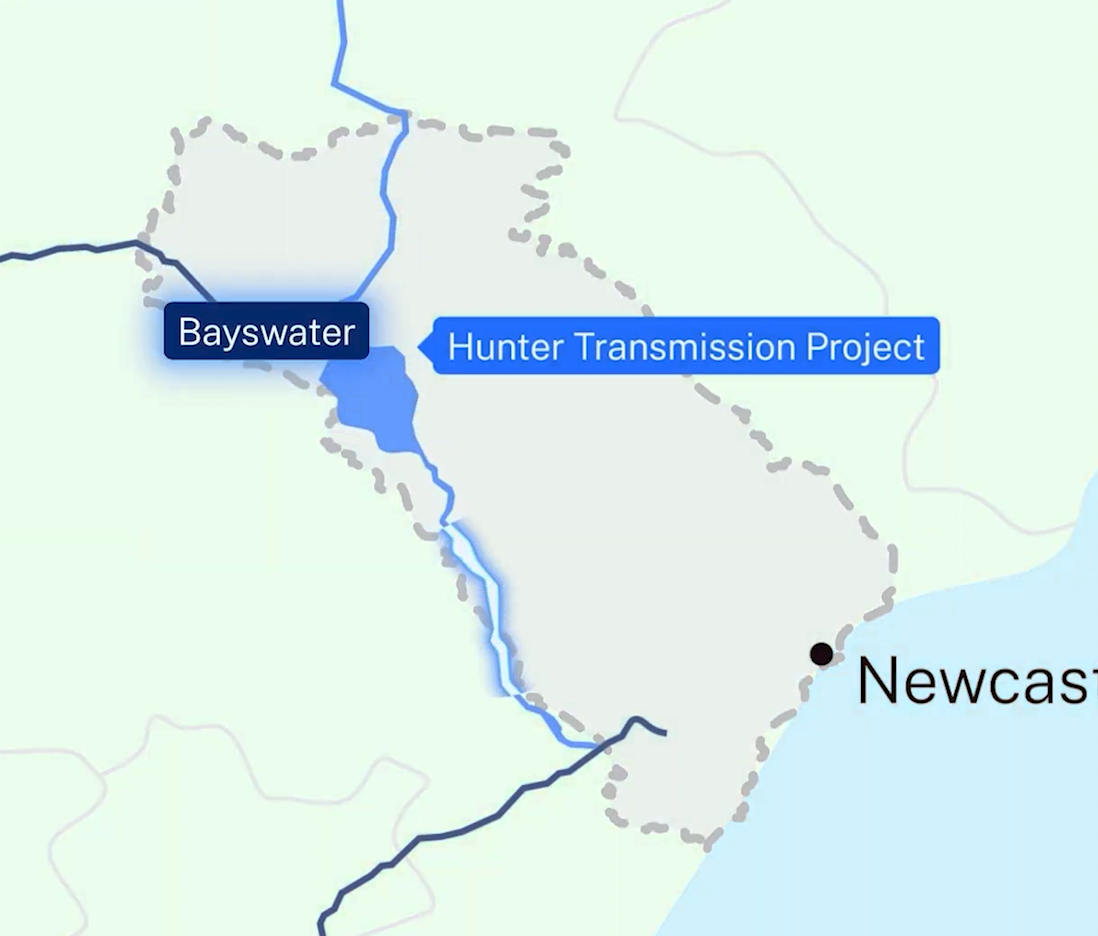
Large-scale transmission investment continues to create demand for contractors who can move when packages are released.
On projects like Hunter Transmission, fleet readiness often matters more than scrambling after award.
The likely sweet spot remains reliable 20-25 tonne excavators capable of:
- Trenching support
- Tower footing excavation
- Access road works
- Substation civil packages
Machine Spotlight: Hitachi ZX210LC-7
A machine in this class suits many transmission applications because it balances:
- Breakout force
- Transport practicality
- Fuel efficiency
- Versatility across packages
Commercial Reality
Businesses waiting for "certainty" may find that by the time clarity arrives:
- Equipment lead times have stretched
- Pricing has moved
- Finance becomes urgent
- Early work has already gone elsewhere
Preparedness is often the better commercial strategy.
2. Bribie Bridge & Major Transport Projects: Material Flow Is the Margin Driver
Many contractors assume productivity is about digging power.
Often it is not.
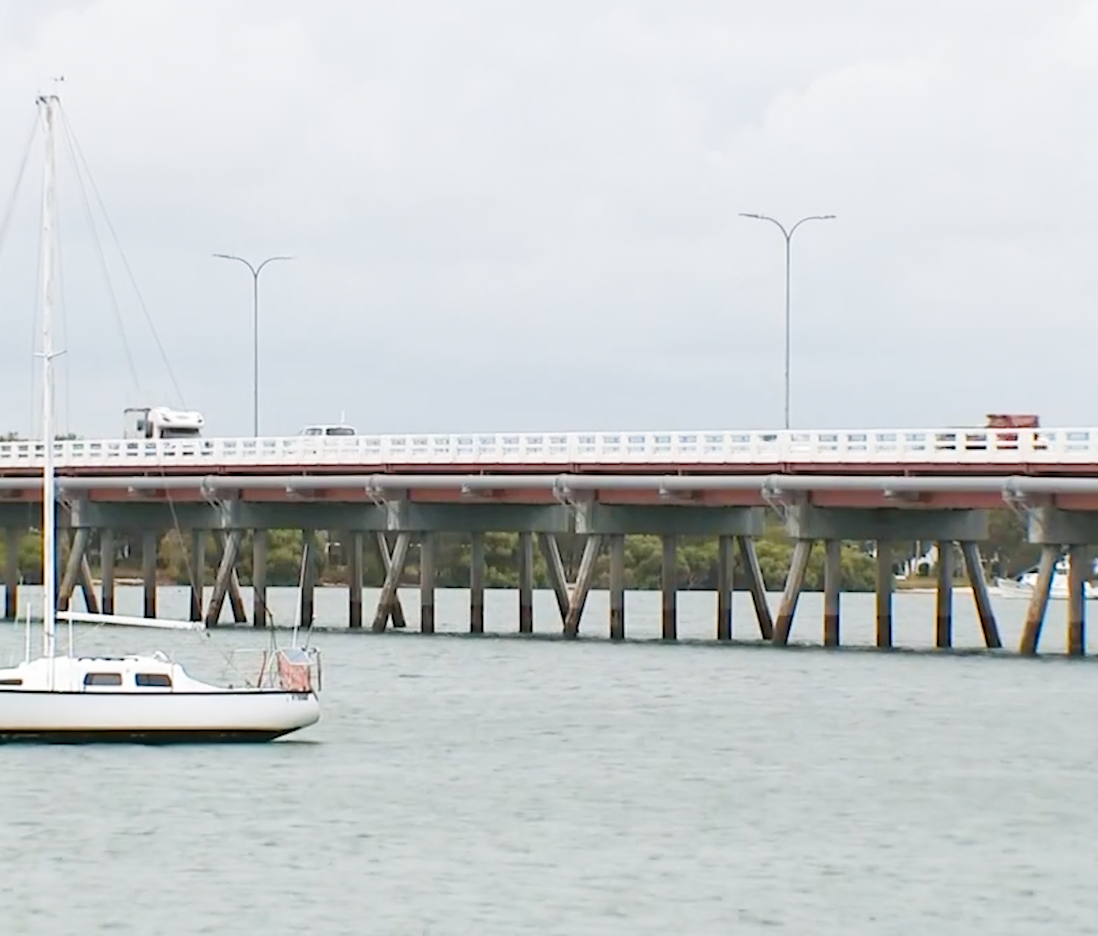
On bridge upgrades and arterial works, the real bottleneck can be haulage flow.
If material cannot move efficiently, downstream crews slow, plant idles and margins leak quietly.
Machine Spotlight: Bell B45E Articulated Dump Truck
For wet conditions, uneven terrain and bulk movement, articulated haulage remains valuable because it helps keep the site cycle moving.
Why This Matters
A high-performing excavator waiting on haulage may be one of the most expensive idle assets on site.
Smart operators increasingly review the whole production chain, not just one machine purchase at a time.
3. Brisbane Civic & Olympic Works: Versatility Over Raw Size

Urban precinct and Olympic-related works create a different demand profile.
These sites often reward:
- Compact footprint
- Manoeuvrability
- Low disruption
- Ability to work across stages
Machine Spotlight: Kubota KX080-4
Machines in the compact 8-tonne class can be commercially valuable where access is tight and multiple trades are active.
They often suit:
- Services installation
- Detailed excavation
- Utility trenching
- Support works in live environments
Strategic Takeaway
A machine that can earn across ten scopes may outperform a larger machine suited to only one.
4. The New Buying Lens: Whole-of-Life Commercial Performance
More operators are shifting from:
"What can we buy cheapest?"
to:
"What performs best commercially over 36 months?"
That usually means assessing:
- Fuel burn
- Uptime reliability
- Maintenance profile
- Operator comfort and productivity
- Resale demand
Example: Next-Generation Mid-Size Excavators
Machines with improved hydraulics and fuel efficiency may cost more upfront, but over long utilisation periods they can materially improve project economics.
5. Finance Has Become a Positioning Tool
In uncertain markets, the best businesses are not just seeking approval.
They are seeking structure.
What Strong Structure Often Looks Like
Preserve Working Capital
Keep cash available for labour, fuel, mobilisation and surprises.
Align Repayments to Revenue
Income-producing assets should ideally be structured around realistic business cashflow.
Move Before It Becomes Urgent
Finance options are often strongest before the machine is needed next week.
Keep Capacity for Future Growth
One deal should not limit the next opportunity.
Structuring Finance in Times of Uncertainty
When rates, demand or procurement timing feel unclear, many businesses freeze.
But waiting can create its own cost.
Common smarter approaches include:
- Staged upgrades instead of full fleet overhauls
- Preserving cash via finance for productive assets
- Reviewing borrowing capacity early
- Replacing weak links first
- Using flexible terms aligned to utilisation cycles
Discipline often beats hesitation.
Smart Operator Checklist: Next 90 Days
Fleet
- Identify high-risk downtime assets
- Review machines with poor fuel economics
- Check whether fleet matches likely project demand
Commercial
- Review tenders, pipeline and workload visibility
- Identify where equipment capacity may constrain growth
Finance
- Understand current lending capacity
- Model repayments under realistic conditions
- Review options before urgency appears
Strategy
- Prioritise income-producing assets over vanity purchases
Final Word
The Australian pipeline is still moving.
But this cycle is rewarding businesses that prepare earlier, structure smarter and deploy more efficiently.
The question is no longer simply:
"Is there work out there?"
It is:
"Are we positioned to capture it profitably?"
Planning Your Next Move?
If you are reviewing fleet capability or planning your next income-producing asset, now is a smart time to assess readiness.
Take the Asset Finance Readiness Scorecard here: https://www.tmfinance.com.au/readiness-calculator
Talk to TMF here: https://www.tmfinance.com.au/contact
This Month's Related Insights
- Strategic Asset Alignment Report: National Equipment Demand Signals Beyond the Headlines
- Structuring Heavy Machinery Finance in Times of Uncertainty
- What Smart Contractors Are Doing Before Demand Accelerates in 2026
FAQs
What machinery is most likely to stay in demand?
Across many sectors, excavators, haulage assets, trenching support plant and versatile compact fleet remain commercially relevant.
Is now a bad time to finance equipment?
Not necessarily. For many businesses, structure and timing matter more than headlines.
Should operators use cash or finance?
It depends on liquidity needs and opportunity cost. Many operators preserve cash for operations so they can keep working capital available for labour, fuel, mobilisation and site costs.
What is the biggest mistake contractors make?
Waiting until the need becomes urgent. Urgency can reduce choice, pricing leverage, finance flexibility and mobilisation confidence.