Australia is not short of construction activity. In the March quarter of 2026, the value of construction work done reached $83.4 billion, with engineering construction rising 6.9 per cent in seasonally adjusted terms.
The harder question for operators is how much margin they can keep while delivering it.
Labour remains difficult to secure in key parts of the market. Jobs and Skills Australia reported that the share of Machinery Operators and Drivers occupations in shortage increased to 28 per cent in 2025. Infrastructure Australia says construction productivity remains stubbornly low over the long term, even after a short-term improvement.
That combination changes the machinery conversation. Bigger fleet is not automatically better fleet. The commercial advantage increasingly comes from assets that help a business move more material, reduce passes and rework, protect uptime, use operators well and produce enough billable output to justify their full cost.
Productivity is becoming the new margin.
This August update looks at four current project signals across road, rail and renewable energy infrastructure, then connects them to four named machine models that help make the productivity decision practical.
In this article
- The August market signal: more work does not automatically mean more margin
- August project and machinery snapshot
- Project 1: Tiaro Bypass and productivity across long road formation
- Project 2: Fraser Coast Hybrid and the value of versatile site logistics
- Project 3: Melbourne Airport Rail and output in a constrained corridor
- Project 4: Tonkin Highway and the cost of unnecessary passes
- Five numbers operators should know before adding machinery
- Why the loan term belongs in the productivity decision
- Utilisation over fleet size
- How TMF thinks about a productivity-led machine decision
- Smart operator checklist: August
- Frequently asked questions
The August market signal: more work does not automatically mean more margin
High activity can be good for operators, but it can also expose weak points quickly. A machine that is expensive to run, frequently offline or poorly matched to the work can absorb revenue without improving margin. An asset that looks productive in a brochure may still underperform if it cannot be kept busy, transported efficiently, serviced predictably or operated by the available crew.
The practical productivity equation is broader than tonnes per hour:
| Productivity lever | What it means commercially |
|---|---|
| Output | More completed work in the same operating window, where site conditions allow. |
| Utilisation | More paid or productive hours from the asset, without relying on unrealistic workload assumptions. |
| Uptime | Fewer breakdowns, service interruptions and missed work days. |
| Rework | Fewer repeated passes, corrections, survey delays and wasted material. |
| Operator efficiency | Technology, visibility and controls that help available operators work consistently. |
| Whole-of-life cost | Purchase and finance cost considered with fuel, service, wear, transport, downtime and resale. |
The strongest machine decision is not simply the one with the lowest purchase price or the highest headline output. It is the asset that improves the operating system around it and earns enough to support its full cost.
August project and machinery snapshot
| Project signal | Current status at 22 July 2026 | Practical machinery environment | Named model used for August content |
|---|---|---|---|
| Bruce Highway Tiaro Bypass, Queensland | Procurement commenced for main construction works; detailed design completed | Bulk earthworks, formation, interchanges, drainage, flood resilience and grading | Caterpillar D6 XE Electric Drive Dozer |
| Fraser Coast Hybrid Project, Queensland | Construction phase announced in July 2026 | Large-scale site logistics, component handling, access, civil works and support activity | JCB 531-70 Construction Loadall |
| Melbourne Airport Rail Stage 1, Victoria | Final major works package in competitive tender; enabling utilities package awarded | Confined rail corridor works, utilities, stations, access and staged urban construction | Komatsu PC138US-11 Hydraulic Excavator |
| Tonkin Highway Corridor, Western Australia | Contract awarded to NRW for the next stage; construction anticipated from late 2026 | Interchanges, highway widening, formation, services, pavement and compaction | Caterpillar CP11 Vibratory Soil Compactor |
These machines are not represented as confirmed project fleet. They are model examples that help operators assess the type of capability, productivity and finance questions relevant to similar work.
Project 1: Tiaro Bypass and productivity across long road formation
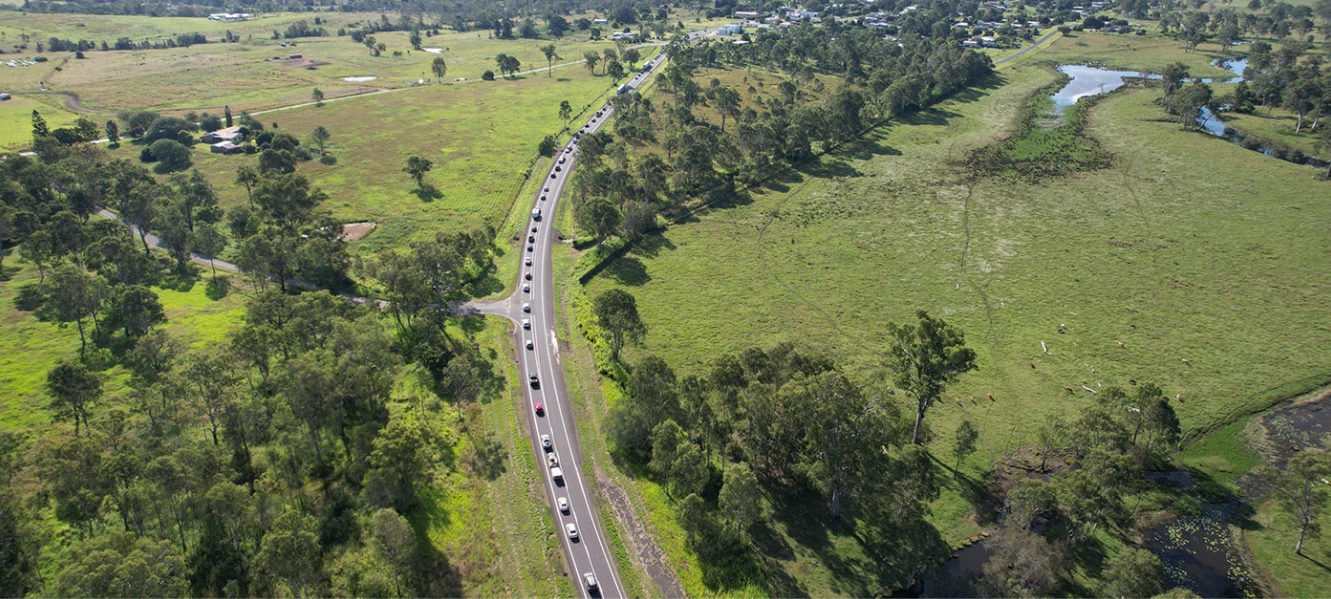
The Queensland Department of Transport and Main Roads says procurement has commenced for the $336 million Tiaro Bypass. The project includes 8.5 kilometres of new four-lane highway, two grade-separated interchanges, local road realignments and improved flood immunity.
Road projects of this scale can create demand across clearing, bulk earthworks, cut and fill, drainage, formation, slope work, access and finishing. The productivity pressure is not simply moving the most dirt. It is moving material accurately enough that crews do not lose time correcting levels, reshaping work or waiting on another pass.
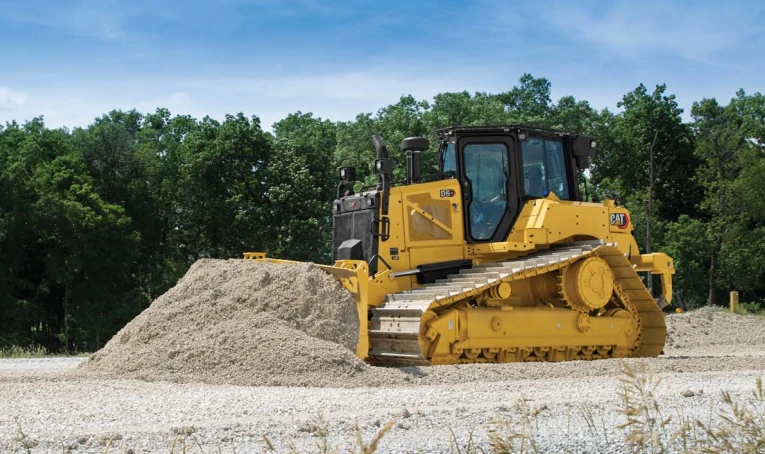
A model like the Caterpillar D6 XE Electric Drive Dozer is useful in this environment because its productivity story combines power to the ground with grade and assist technology. Caterpillar states that the model can use up to 13 per cent less fuel than its comparison model and that its available Grade and Assist technology can improve productivity, subject to application and configuration.
The operator question is not whether every road contractor needs an electric-drive dozer. It is whether grade accuracy, cycle time, fuel use and reduced rework could create enough additional earning value to justify an upgrade.
TMF lens: Upgrade Strategically. Buy the output improvement, not the badge or the specification sheet.
Project 2: Fraser Coast Hybrid and the value of versatile site logistics
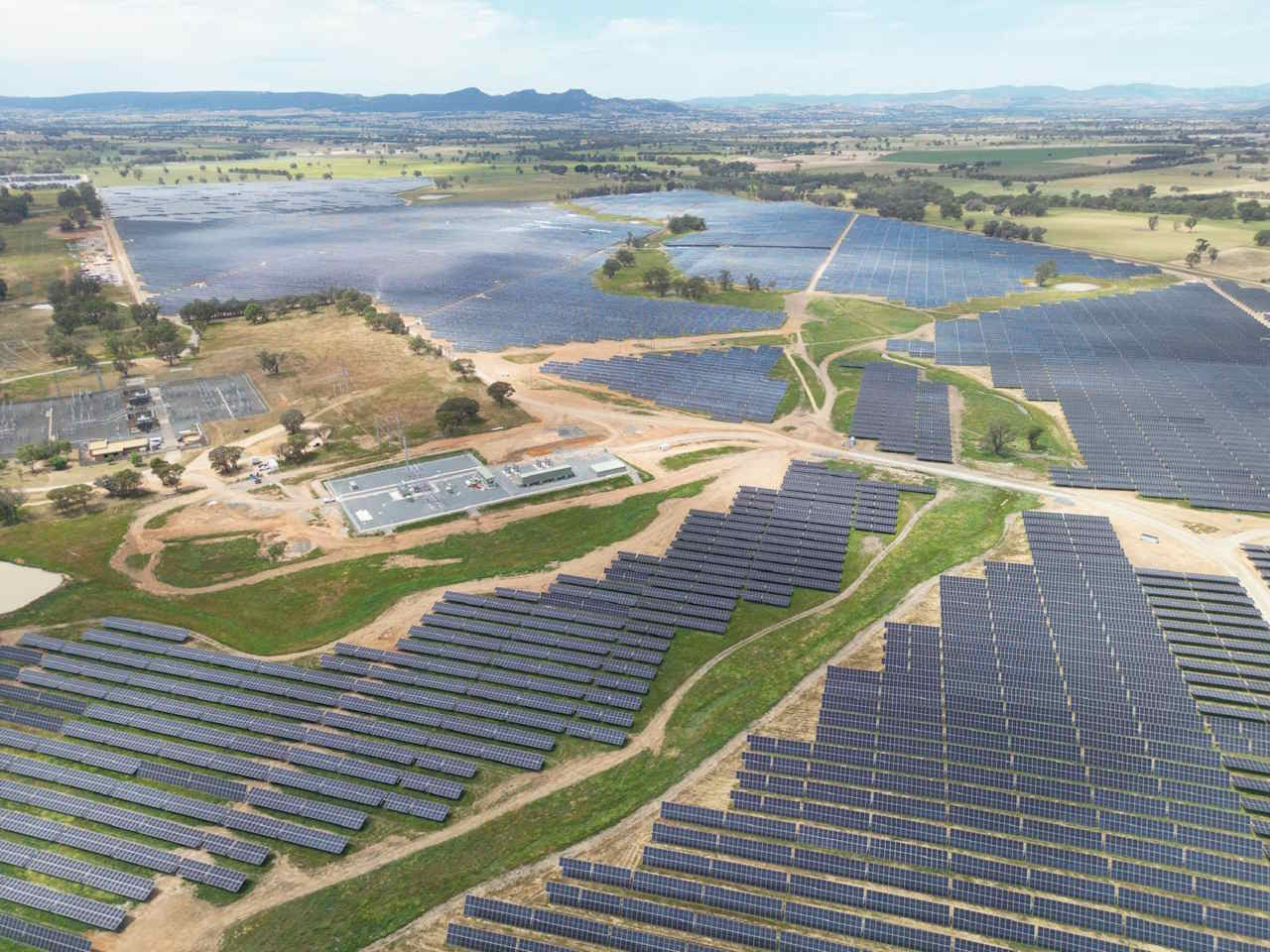
Global Power Generation Australia has moved the Fraser Coast Hybrid Project into construction. Its published project information describes 330 MWp of solar capacity combined with a 180 MW / 360 MWh battery energy storage system on the Fraser Coast.
Large solar and battery sites are logistics-heavy environments. Components need to be unloaded, moved and placed across broad work fronts. Access conditions change. Civil crews, electrical contractors and installation teams need materials in the right place without creating avoidable waiting time.
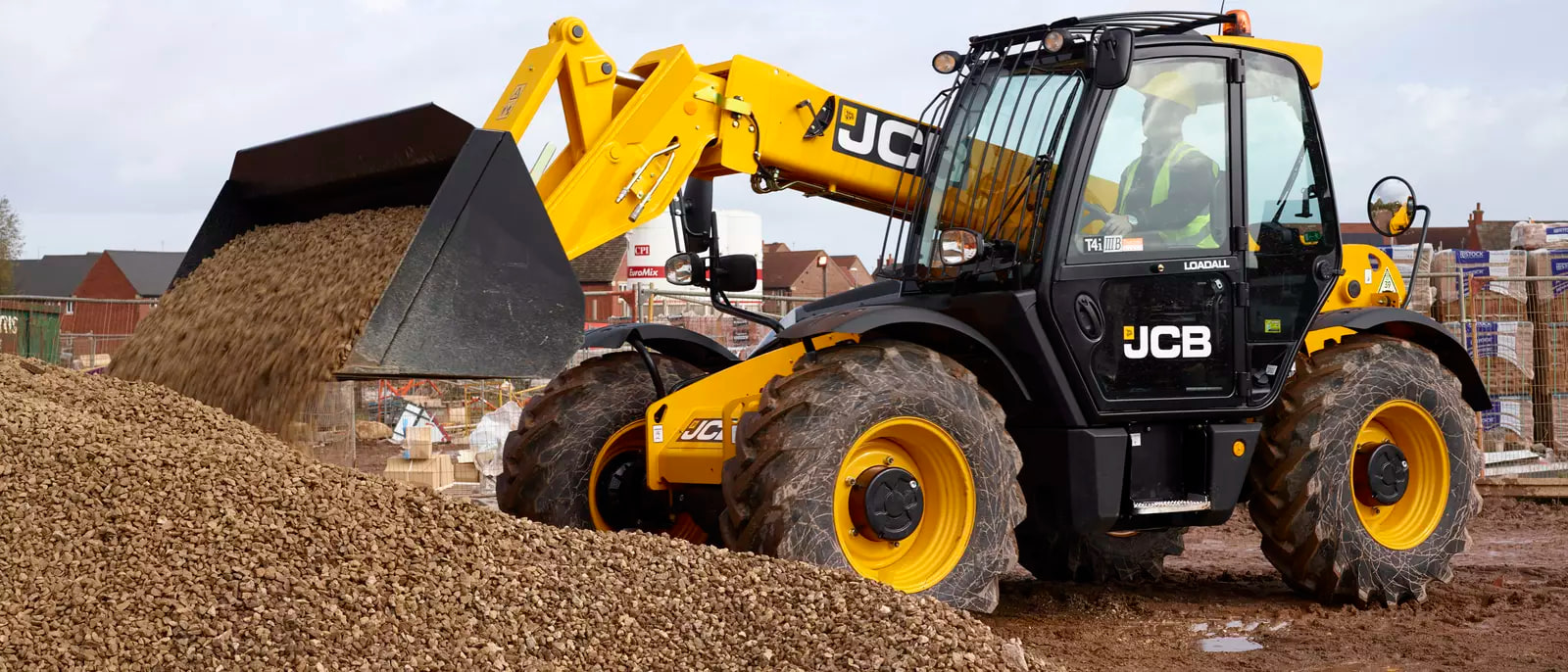
A model like the JCB 531-70 Construction Loadall gives TMF a practical way to talk about versatile material handling. JCB lists a maximum lift height of 7 metres and a maximum lift capacity of approximately 3.1 tonnes, depending on specification. Its three steering modes, 4WD, attachment capability and LiveLink fleet information are relevant to contractors looking for one asset that may support several tasks.
The commercial decision is about utilisation breadth. If the machine can unload, move and place materials across multiple scopes, it may generate more productive hours than a highly specialised asset. But versatility only creates margin when the work and attachments are genuinely there.
TMF lens: Grow Without Overstretching. A well-utilised support asset may add more practical capacity than a larger machine that sits idle between tasks.
Project 3: Melbourne Airport Rail and output in a constrained corridor
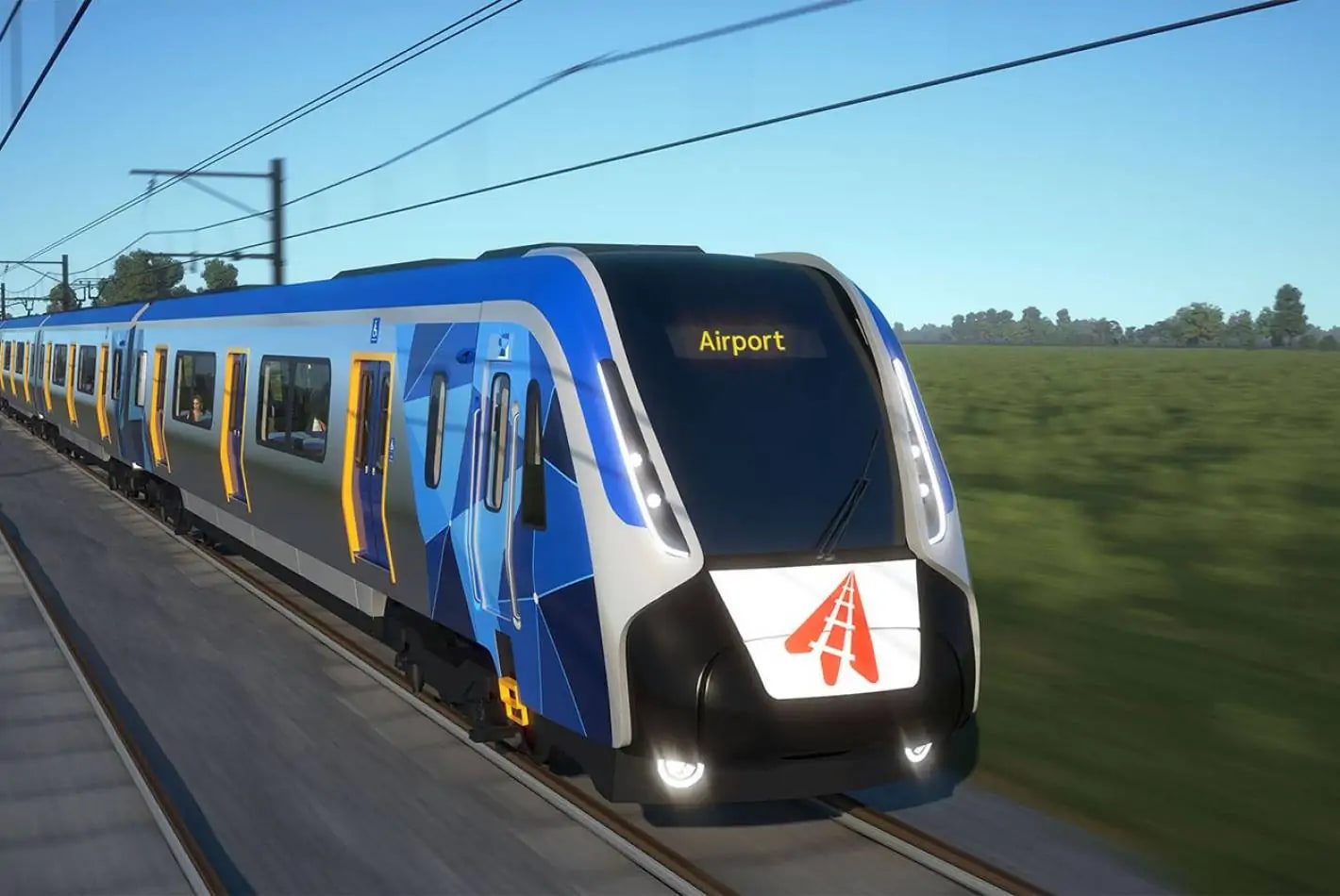
Melbourne Airport Rail Stage 1 has been divided into five packages. Four are to be delivered through existing program alliances, while the fifth major works package entered the final stage of competitive tender in April 2026. The scope includes widening the rail corridor, new regional platforms and concourse works at Sunshine, rail network upgrades and public-realm works. An enabling utilities contract has also been awarded.
Confined rail environments reward a different kind of productivity. Swing room, access, traffic interfaces, nearby services and staged possessions can matter as much as raw digging capacity. A machine that can work efficiently inside the available footprint may protect the wider program from delay.
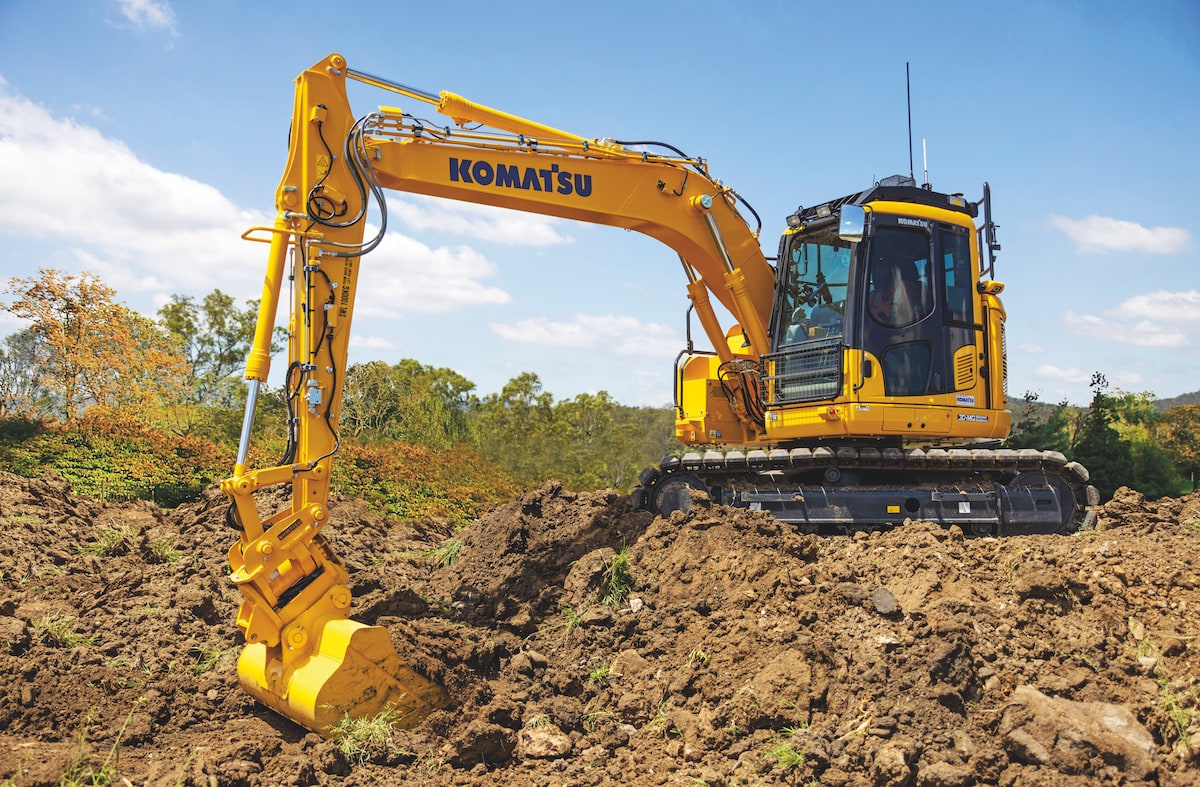
The Komatsu PC138US-11 Hydraulic Excavator is a useful example. Komatsu positions the 15.5-tonne model for high productivity in confined spaces, with a short-tail swing radius and fuel consumption stated as up to 9 per cent lower through engine and hydraulic system improvements.
The Win More Work question is whether the machine class gives an operator credible, repeatable capability for rail, utilities and constrained civil scopes. The finance question is whether that capability will be used beyond one package.
TMF lens: Win More Work. The right footprint and attachment strategy can be a commercial capability, not just a technical feature.
Project 4: Tonkin Highway and the cost of unnecessary passes
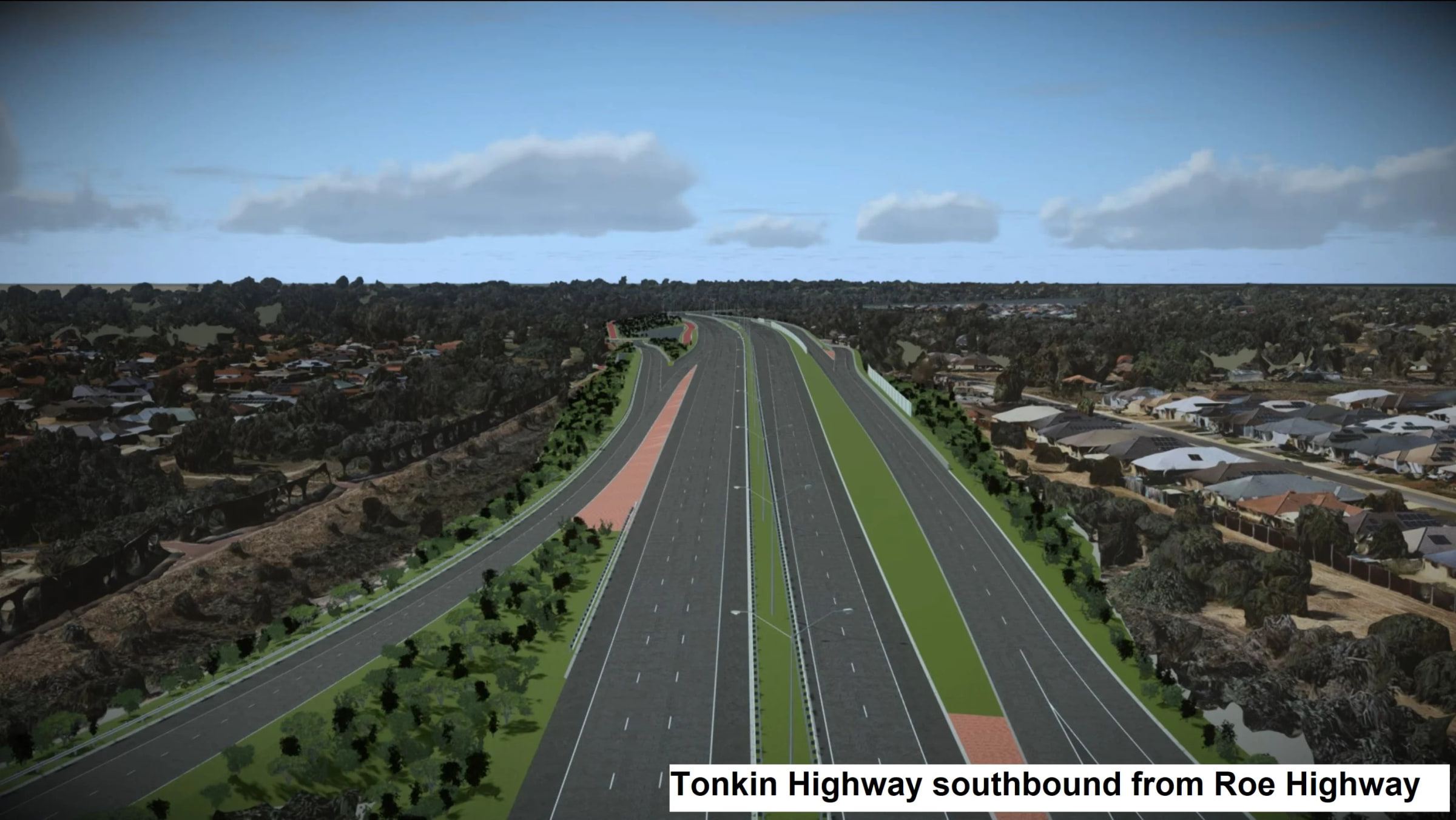
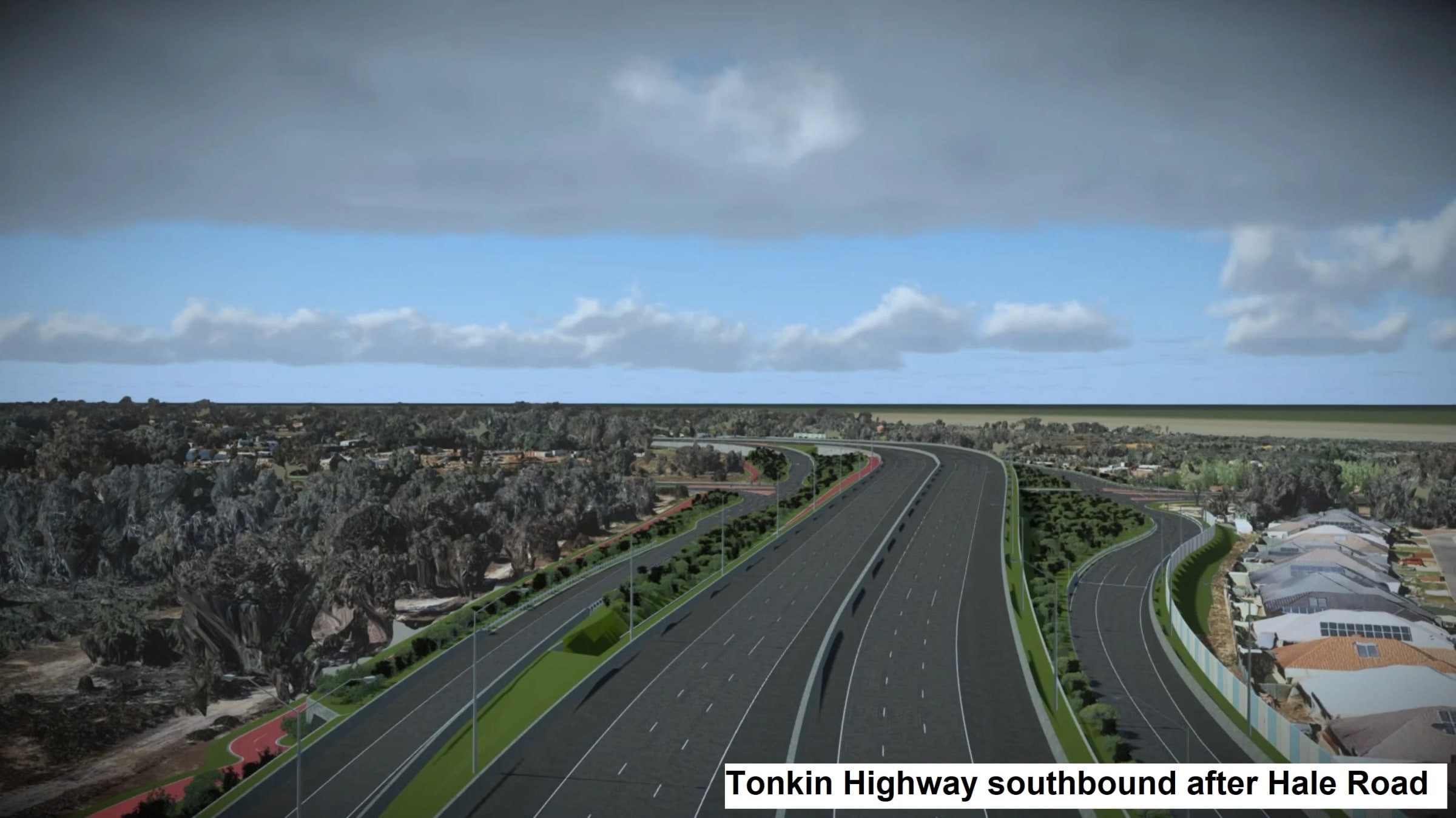
Main Roads Western Australia says NRW has been awarded the contract for the next stage of the Tonkin Highway Corridor between Roe Highway and south of Welshpool Road. The project includes the Hale Road and Welshpool Road East interchanges and highway widening. Detailed design and mobilisation follow the award, with construction anticipated from late 2026.
Compaction is an ideal example of productivity that is easy to underestimate. Too few passes can risk quality and rework. Too many passes consume fuel, operator time and machine hours without adding value.
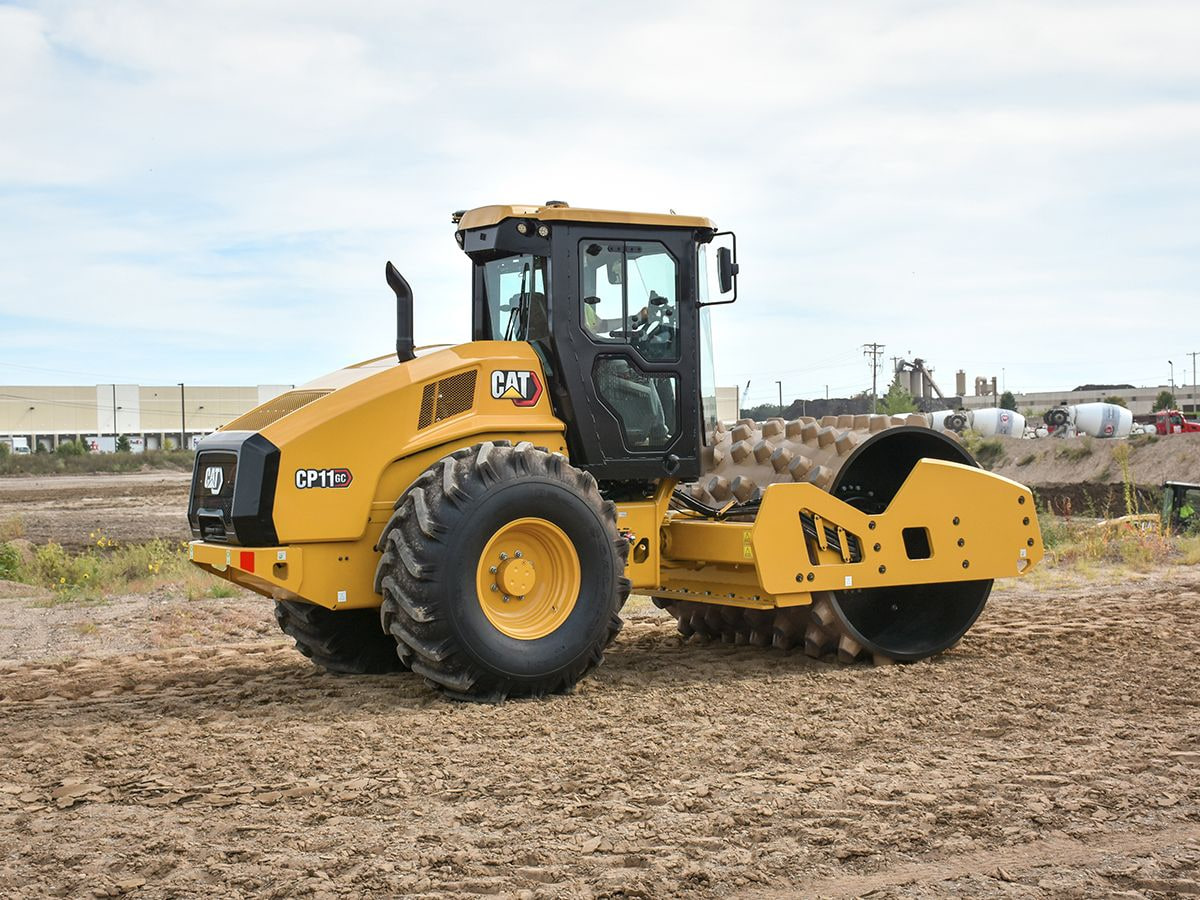
A model like the Caterpillar CP11 Vibratory Soil Compactor makes that issue tangible. Caterpillar says its onboard compaction measurement technology can indicate when specifications are met, helping reduce guesswork, unnecessary passes and rework. The model also includes Eco-mode and extended service intervals designed to reduce operating interruption.
The commercial advantage is consistency. When an operator can reach target density with better information, the machine may protect both output and quality.
TMF lens: Protect Uptime. Reliable, measurable support equipment can keep the broader work front moving.
Five numbers operators should know before adding machinery
Operators do not need a perfect forecast, but they should be able to test the decision with realistic operating numbers.
- Expected billable utilisation. How many paid or productive hours can the machine realistically achieve each month after weather, transport, service and gaps between jobs?
- Output improvement. What measurable change is expected: tonnes moved, metres graded, loads handled, passes reduced or work days protected?
- Direct operating cost. What will fuel, tyres or tracks, attachments, servicing, insurance and transport cost at the expected workload?
- Downtime exposure. What does one day or one week offline cost in lost income, idle labour, replacement hire or contract pressure?
- Finance and exit position. What term, deposit, balloon and repayment structure fit the useful earning period, and what is the realistic resale or trade position at the end?
These numbers make it easier to compare a new machine, a used machine, hire, replacement, repair or no action.
Why the loan term belongs in the productivity decision
The loan term is not just a way to arrive at a monthly repayment. It shapes the total finance cost, the rate at which principal reduces and the point at which the operator may still owe money against an ageing or underutilised asset.
A longer term can reduce the regular repayment, but it may increase total interest and extend the commitment. A shorter term may reduce total interest but create more monthly cashflow pressure. A balloon can lower regular repayments, but it leaves a final amount to manage and generally increases the amount on which interest is paid over the term.
There is no universal right answer. The useful question is whether the term matches the period in which the machine is expected to produce reliable income, while leaving enough working capital to operate it.
Utilisation over fleet size
Adding a machine can be the right move when it removes a constraint, protects uptime or unlocks a credible work stream. It can be the wrong move when the business is adding capacity without enough work, operators or support behind it.
Before expanding the fleet, operators should review:
- current utilisation by machine, not just total hours across the fleet
- bottlenecks that cause otherwise productive assets to wait
- ageing assets that generate repair cost and missed work
- whether one versatile machine can replace several low-utilisation arrangements
- whether technology will genuinely reduce passes, fuel, rework or supervision
- whether the finance structure leaves room for wages, fuel, mobilisation and the next opportunity
For an owner-operator, that may mean choosing one machine that can cover more scopes. For a growing contractor, it may mean removing the asset that constrains an entire crew. For an established fleet, it may mean using telematics and job costing to redeploy or exit underused equipment rather than adding more.
How TMF thinks about a productivity-led machine decision
At TMF, approval is not the commercial finish line. A machinery decision should be considered against how the asset is expected to earn.
- What work is the machine intended to support?
- What productivity problem is it solving?
- How often will it be billable or operationally useful?
- What costs disappear, and what new costs arrive?
- How does the term fit the asset's earning life?
- Is a balloon supporting cashflow, or simply moving pressure to the end?
- What working capital needs to remain available after settlement?
- Does the structure leave room for the next move?
TMF's Repayment Calculator can help test different term and balloon combinations. The Downtime Cost Calculator can help quantify the annual impact of keeping an unreliable machine. The Borrowing Capacity Calculator can give an indicative starting point before a supplier or tender timeline becomes urgent. TMF's Asset Comparison tool is also being built to compare major machine specifications and indicative whole-of-life factors side by side.
Smart operator checklist: August
- Identify the machine creating the biggest bottleneck, not simply the oldest asset.
- Measure utilisation and downtime with real records where possible.
- Compare at least two named models in the correct machine class.
- Test output, fuel, service, transport, attachments, resale and finance together.
- Ask the dealer which productivity features are standard, optional or configuration-dependent.
- Confirm whether the available crew can use the technology effectively.
- Model a conservative workload as well as the best-case workload.
- Check the term, balloon, fees and early payout conditions before signing.
- Keep working capital available for mobilisation and operating costs.
- Talk to TMF before the machine or project timing becomes urgent.
Final thought
The August project signals are substantial, but the more important signal is commercial. Operators are being asked to deliver more work in an environment where labour, cost and capacity remain difficult.
That does not automatically make a larger fleet the answer.
The stronger advantage may come from a dozer that reduces rework, a telehandler that stays useful across several scopes, an excavator that performs inside a constrained corridor or a compactor that reaches target density with fewer unnecessary passes.
Strong operators buy output, not just machinery.
If fleet productivity, utilisation or a machinery upgrade is on the agenda, talk to TMF and map the asset, term and cashflow before you commit.
Frequently asked questions
What does “productivity is the new margin” mean?
It means that output, utilisation, uptime and reduced rework can have a direct effect on the margin an operator keeps. Owning more equipment does not automatically improve profitability if the fleet is underused or costly to operate.
How should an operator measure machinery utilisation?
Start with productive or billable hours divided by the hours the machine was available. Then review why available time was not used, including work gaps, transport, weather, servicing, operator availability and breakdowns.
Is a newer machine always more productive?
No. Newer technology may improve output or efficiency, but the result depends on the application, configuration, operator, attachments, site conditions and utilisation. Compare the commercial outcome, not the model year alone.
Should the lowest repayment decide the loan term?
No. The repayment must be manageable, but operators should also consider total finance cost, the asset's useful earning life, final balloon, fees, payout conditions and working-capital needs.
Are the named machines confirmed for the projects in this article?
No. They are examples of models and machine classes that may be relevant to similar project environments. Project fleet should not be inferred unless independently confirmed.
Related TMF reading
General information only
This article is general information only and does not provide personal financial, tax or legal advice. Finance approval, rates, terms and structures depend on lender assessment, business circumstances, asset details and supporting documentation. Operators should obtain advice appropriate to their circumstances before committing.