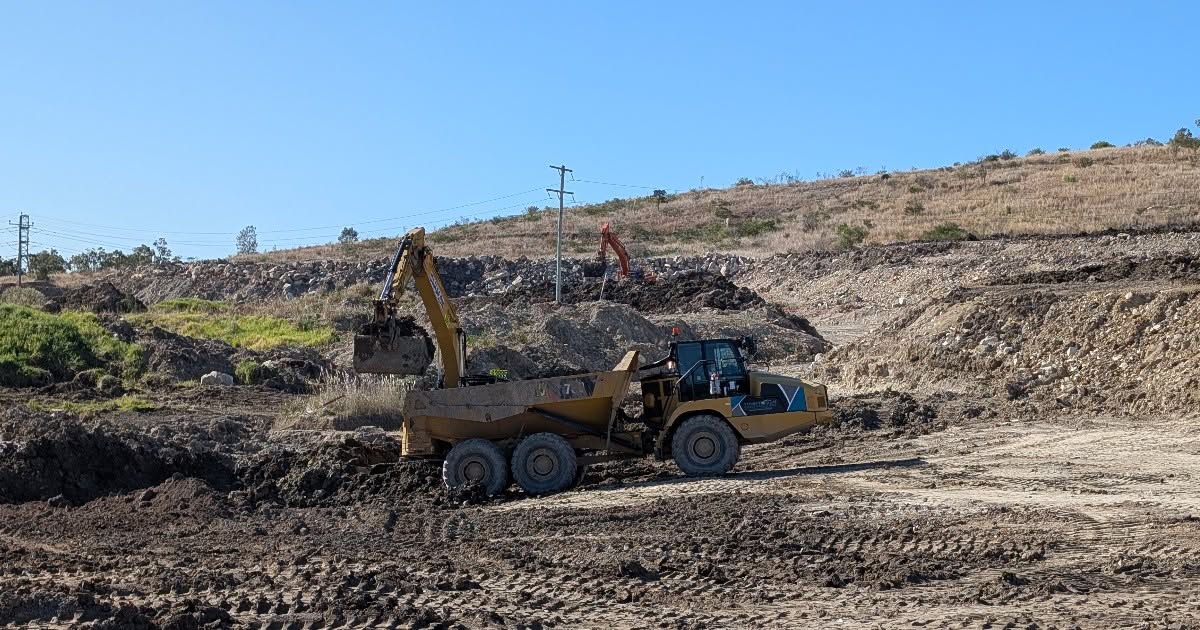
For many operators, the biggest financial decision often feels like taking on the repayment.
The machine.
The commitment.
The finance structure.
But in many businesses, the bigger financial risk is not action. It is delay.
Because delay rarely arrives as one large obvious number.
It usually builds quietly through:
- Recurring repairs
- Downtime
- Weaker utilisation
- Lost productivity
- Delayed delivery
- Missed opportunities
- Increasing maintenance costs
And over time, those costs compound.
Table of Contents
- Infrastructure Demand Is Still Moving — And Reliability Matters More
- The Hidden Cost Most Operators Underestimate
- Downtime Is More Expensive Than Most Operators Realise
- The Real Economics Of Ageing Fleet
- Why Newer Equipment Is Changing The Equation
- Sometimes The Cheapest Machine Quietly Becomes The Most Expensive
- Productivity Is Becoming A Competitive Advantage
- Delay Is Not Always The Right Financial Decision
- Final Thought
- FAQs
Infrastructure Demand Is Still Moving — And Reliability Matters More
As explored in TMF’s June Infrastructure Update, billions of dollars of infrastructure investment continue progressing across:
- Transmission projects
- Utilities upgrades
- Precinct development
- Regional civil infrastructure
Projects like:
- HumeLink
- Marinus Link
- Western Sydney Aerotropolis
- Bruce Highway upgrades
are increasingly being delivered through:
- Staged procurement
- Contractor panels
- Enabling works
- Progressive delivery environments
That changes the commercial environment for operators.
Because when projects move through staged delivery models, uptime and delivery capability become increasingly important competitive advantages.
The businesses best positioned for opportunities are often:
- Operationally prepared
- Fleet-ready
- Capable of maintaining reliable utilisation
- Positioned before demand accelerates
The Hidden Cost Most Operators Underestimate
One of the biggest mistakes businesses make is only measuring the visible cost while ignoring the operational cost.
The repayment is easy to see.
What is harder to measure is:
- The delayed job
- The missed utilisation
- The crew waiting on equipment
- The recurring workshop time
- The delivery slowdown
- The ongoing operational friction
And in tighter operating environments, those costs escalate faster.
Downtime Is More Expensive Than Most Operators Realise
Across Australian industry, downtime has become a major operational and commercial issue.
An ABB-commissioned survey found the typical Australian industrial business estimates unplanned downtime at approximately:
$349,000 per hour.
Now obviously, not every transport operator or contractor experiences downtime costs at that scale. But the broader message is important: even smaller operational interruptions can quietly erode:
- Margin
- Productivity
- Utilisation
- Delivery capability
Over time.
The same ABB research also found:
- 69% of industrial businesses experience unplanned outages at least monthly
- 24% still rely heavily on run-to-fail maintenance strategies
That creates growing pressure in environments where:
- Labour is expensive
- Timelines matter
- Utilisation drives profitability
- Contractor reliability affects future work
The Real Economics Of Ageing Fleet
Most ageing machinery does not suddenly become unprofitable overnight.
The economics usually deteriorate gradually.
At first:
- Servicing costs increase
- Downtime becomes less predictable
- Reliability weakens
- Productivity drops slightly
Then eventually:
- Major components begin failing
- Utilisation suffers
- Repair costs escalate
- Delivery confidence drops
Across heavy machinery and transport fleets, costs often rise significantly once equipment moves beyond:
- Major warranty periods
- High-hour operating cycles
- Original component life expectations
And when major failures arrive, the numbers become very real very quickly.
A major diesel engine rebuild alone can often cost:
$30,000 to $50,000+
depending on the platform and application.
Then add:
- Downtime
- Lost utilisation
- Replacement hire equipment
- Delayed jobs
- Delivery pressure
And the real commercial impact often becomes much larger than the repair invoice itself.
Why Newer Equipment Is Changing The Equation
At the same time, many newer assets now offer:
- Fixed servicing agreements
- OEM maintenance programs
- Telematics and monitoring systems
- Improved fuel efficiency
- Stronger uptime reliability
- More predictable operating costs
And predictability matters.
Because operational certainty has commercial value.
This is becoming increasingly important across:
- Transmission infrastructure
- Staged civil environments
- Utilities upgrades
- Contractor panel environments
where delivery consistency directly impacts:
- Profitability
- Reputation
- Future opportunity
Projects like HumeLink and Marinus Link are reinforcing this shift toward readiness, utilisation and delivery capability.
Sometimes The Cheapest Machine Quietly Becomes The Most Expensive
One of the biggest misconceptions in machinery ownership is:
“Older equipment is always cheaper.”
Sometimes it is.
But sometimes the cheapest machine on paper quietly becomes the most expensive machine operationally.
Because the real comparison is often not:
- Old machine versus new machine
It is:
- Predictable cost versus unpredictable cost
- Planned servicing versus reactive repairs
- Uptime versus downtime risk
- Operational confidence versus operational friction
That is a much more commercially intelligent conversation.
Productivity Is Becoming A Competitive Advantage
This shift is happening at the same time Australia’s construction and infrastructure sectors continue facing productivity pressure.
CEDA has noted construction productivity has remained weak for decades while delivery complexity and project pressure continue increasing.
The Productivity Commission has also highlighted ongoing productivity challenges across construction and infrastructure sectors.
At the same time:
- Labour shortages remain challenging
- Infrastructure demand continues progressing
- Delivery expectations continue rising
That is one reason more operators are focusing heavily on:
- Uptime
- Utilisation
- Fleet efficiency
- Reducing operational friction
- Improving delivery capability
The strongest operators are increasingly investing in output and reliability — not simply machinery ownership.
Delay Is Not Always The Right Financial Decision
Sometimes keeping the current machine is absolutely the right move.
Sometimes replacing the weak link earlier creates a much stronger commercial outcome.
And sometimes the smartest move is restructuring the way the business is funded.
The key is not reacting emotionally.
It is understanding:
- What the current constraint is costing
- How the asset earns income
- What downtime is doing to the business
- How repayments fit cashflow
- What structure creates flexibility
Because finance should strengthen the business.
Not strain it.
Final Thought
The real cost of machinery is rarely just the repayment.
It is:
- The uptime
- The utilisation
- The reliability
- The predictability
- The delivery capability it creates over time
And in many businesses, the cost of delay quietly becomes far bigger than the cost of action.
Call To Action
If you’re reviewing ageing equipment, rising maintenance costs or trying to work out whether a machine is still commercially serving the business properly, now is a smart time to assess the real numbers clearly.
Because in many cases, the biggest cost is not the repayment.
It’s the downtime, lost utilisation and operational friction quietly building in the background.
At TMF, we specialise in finance for income-producing assets and heavy machinery — helping operators structure funding around:
- Utilisation
- Cashflow
- Uptime
- Operational flexibility
- Long-term business capability
Book an obligation-free planning call with TMF and understand what delay could really be costing your business. You can also run the Fleet Fitness Check or estimate repayments on a replacement.
FAQs
Why are more operators reviewing ageing machinery in 2026?
Rising maintenance costs, downtime pressure, labour shortages and increasing delivery expectations are causing many operators to reassess whether ageing equipment is still commercially serving the business effectively.
Projects across transmission infrastructure, utilities and civil construction are also increasingly rewarding businesses with strong uptime and delivery capability.
What is the real cost of ageing heavy machinery?
The cost is often much bigger than repairs alone.
Operators may also experience:
- Downtime
- Lost utilisation
- Delayed jobs
- Weaker productivity
- Replacement hire costs
- Delivery pressure
Over time, these operational costs can quietly erode margin and business efficiency.
Why does uptime matter more in staged infrastructure environments?
Projects like HumeLink, Marinus Link and major precinct infrastructure programs are increasingly delivered through staged procurement and contractor panel environments.
In these environments, reliable delivery capability and strong utilisation can become major competitive advantages.
Is replacing equipment always the right decision?
No.
Sometimes keeping the current machine is the right move.
Sometimes replacing a weak operational link creates stronger commercial outcomes.
And sometimes restructuring the way the business is funded improves flexibility and cashflow more effectively.
The key is assessing:
- Utilisation
- Downtime
- Operational cost
- Delivery impact
- Long-term business goals
before making reactive decisions.
Why are newer machines changing the operational equation?
Many newer assets now offer:
- OEM servicing programs
- Telematics
- Fuel efficiency improvements
- Predictive maintenance support
- More reliable uptime
This can create:
- Stronger utilisation
- Lower operational friction
- More predictable operating costs
- Improved delivery capability
particularly across infrastructure and contractor delivery environments.
How can operators assess whether delay is costing the business?
Operators should review:
- Repair frequency
- Downtime trends
- Utilisation
- Missed work opportunities
- Delivery bottlenecks
- Maintenance spend
- Replacement hire costs
The real commercial impact of ageing equipment is often broader than the repair invoice itself.