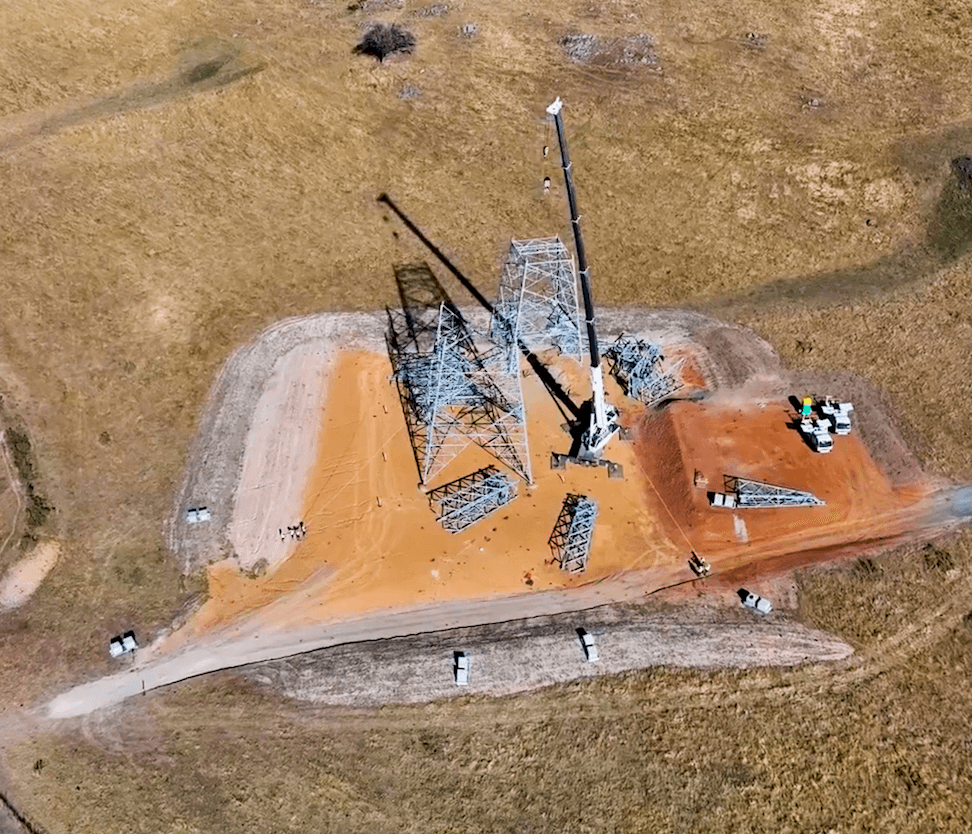
Where Infrastructure Demand Is Actually Moving in 2026
Australia’s infrastructure pipeline is still moving, but the strongest opportunities are increasingly shifting toward transmission, enabling works, utilities, precinct development and regional civil programs.
This article looks at where demand is building in 2026 and why prepared operators are positioning their fleet, finance and capacity before pressure appears.
Demand Is Still Moving — But the Market Is Changing
Across Australia, billions of dollars of infrastructure investment continue progressing through:
- Transmission infrastructure
- Transport upgrades
- Utilities
- Enabling works
- Precinct development
- Regional civil infrastructure
But the market is evolving.
Projects are increasingly being delivered through:
- Staged procurement
- Enabling packages
- Early contractor involvement (ECI)
- Contractor panels
- Progressive delivery environments
At the same time, operators continue navigating:
- Higher operating costs
- Labour shortages
- Tighter margins
- Productivity pressure
- Changing lender appetite
That means this market is no longer rewarding scale alone.
It is increasingly rewarding preparedness, efficiency and delivery capability.
The strongest operators are not waiting for demand to become obvious.
They are positioning before it accelerates.
Table of Contents
- Infrastructure Investment Snapshot
- Equipment Demand Signals
- HumeLink Transmission Project
- Western Sydney Aerotropolis
- Marinus Link
- Bruce Highway Upgrades and Flood Resilience Works
- Why Prepared Operators Often Move First
- The New Productivity Equation
- Structuring Capacity Before Pressure Appears
- Smart Operator Checklist: Next 90 Days
- Final Word
- Planning Your Next Move?
- FAQs
Infrastructure Investment Snapshot
Several major projects currently progressing across Australia continue signalling strong contractor demand across transmission, utilities, precinct development and civil infrastructure.
HumeLink Transmission Project — NSW
Estimated investment: ~$5 billion
Sector: Energy transmission infrastructure
Western Sydney Aerotropolis Ecosystem
Estimated investment: $100 billion+
Sector: Precinct and enabling infrastructure
Marinus Link — TAS–VIC
Estimated investment: ~$3–5 billion
Sector: Energy connectivity infrastructure
Bruce Highway Upgrades & Flood Resilience — QLD
Estimated investment: Multi-billion ongoing investment
Sector: Regional civil and transport infrastructure
Projects of this scale typically create long-duration demand across:
- Excavation
- Trenching
- Compaction
- Drainage
- Haulage
- Enabling civil works
- Utility support infrastructure
Equipment Demand Signals
Transmission Infrastructure
Typical equipment demand: Intelligent excavators, trenching fleet and compaction equipment.
Precinct & Utilities Infrastructure
Typical equipment demand: Compact excavators, drainage fleet and versatile support machinery.
Energy Connectivity Projects
Typical equipment demand: Short-radius excavators and utility support fleet.
Regional Civil Infrastructure
Typical equipment demand: Rollers, graders, haulage and support fleet.
As projects increasingly move through staged procurement environments, highly utilised and versatile machinery is becoming increasingly valuable across contractor fleets.
1. HumeLink Transmission Project: Practical Contractor Demand Beyond the Headlines
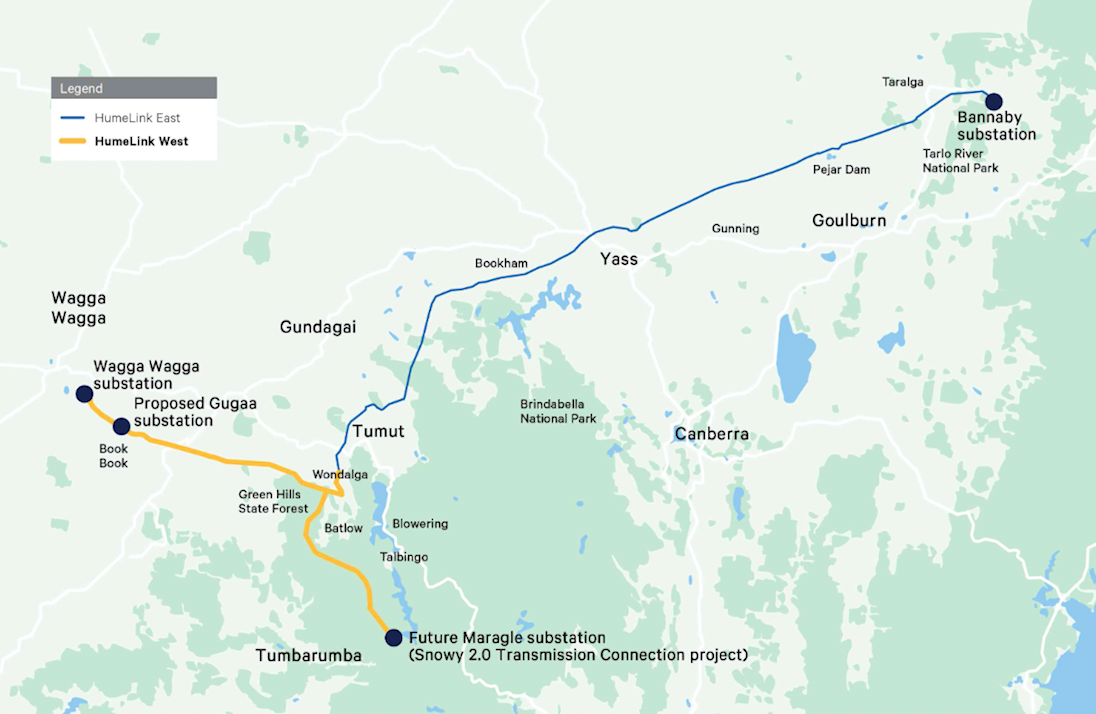 One of the strongest contractor demand signals in Australia right now is not renewable generation itself.
It’s transmission infrastructure.
The HumeLink Transmission Project in New South Wales is expected to involve around $5 billion in infrastructure investment, connecting renewable energy zones and strengthening transmission capacity across the state.
Projects of this scale create practical contractor demand across:
- Trenching and cable installation
- Access roads
- Enabling civil works
- Utility infrastructure
- Transmission corridor preparation
Importantly, transmission projects are rarely delivered all at once.
They typically move progressively through:
- Staged procurement
- Contractor panels
- Enabling packages
- Long-duration works programs
This matters because many early opportunities are often moving before wider market demand becomes obvious.
Machine Spotlight: Komatsu PC210LCi-11 Intelligent Excavator
Machines in this category continue becoming increasingly relevant across transmission and utility infrastructure because they combine:
- Intelligent machine control
- Precision excavation capability
- Reduced rework potential
- Fuel efficiency
- Strong trenching productivity
In higher-cost operating environments, productivity and precision increasingly matter.
Commercial Insight
Projects like HumeLink often reward operators that prepare:
- Fleet capability
- Utilisation
- Mobilisation readiness
- Delivery confidence
before urgency appears.
2. Western Sydney Aerotropolis: The Opportunity Is Bigger Than the Airport
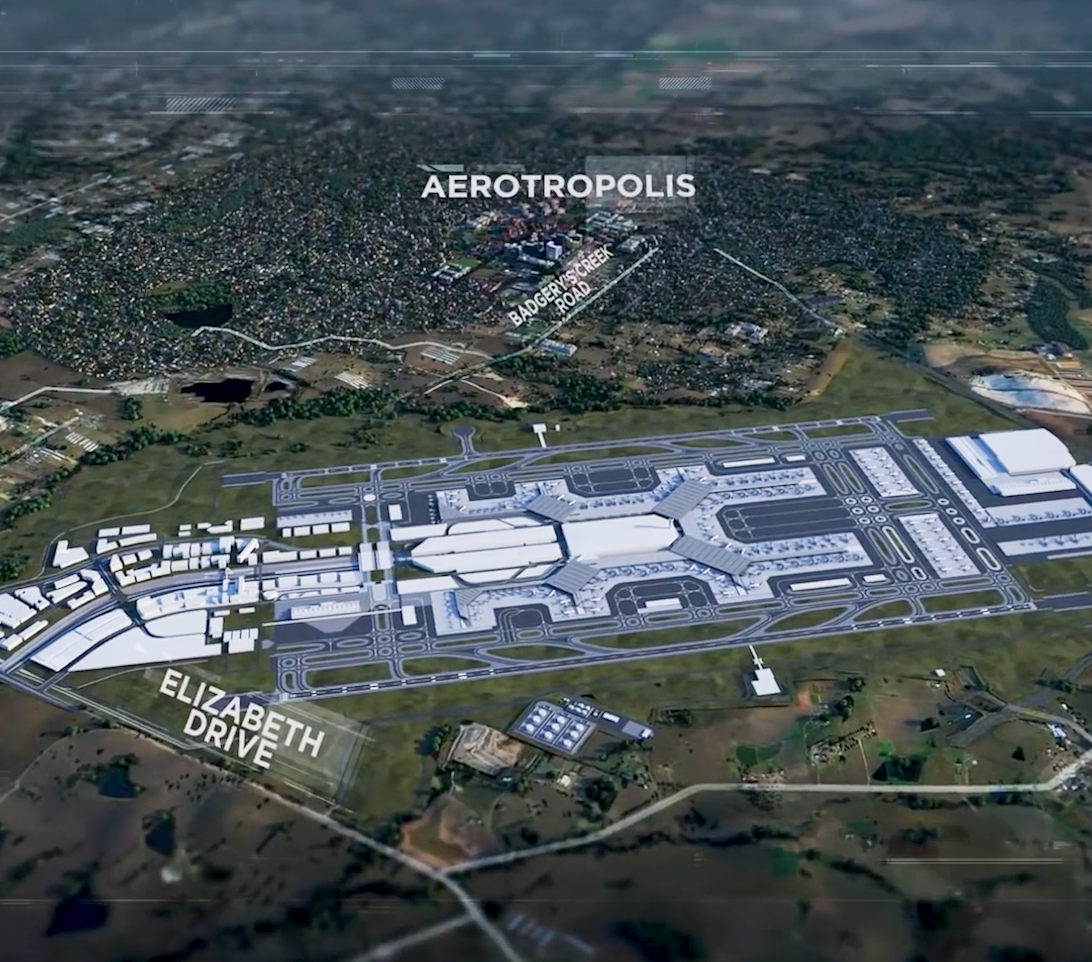 The opportunity around Western Sydney Airport is becoming much bigger than the airport itself.
The broader Aerotropolis ecosystem is now tied to a projected $100 billion-plus infrastructure and development pipeline across:
- Roads
- Utilities
- Drainage
- Precinct development
- Supporting civil works
Major precinct ecosystems often create years of secondary contractor demand through:
- Enabling works
- Utility upgrades
- Subcontract packages
- Staged civil delivery
—not simply the headline project everyone talks about.
Machine Spotlight: CAT 306 CR Mini Excavator
Compact civil machinery continues playing a major role across staged infrastructure environments because:
- Access is often constrained
- Multiple trades operate simultaneously
- Utilisation flexibility matters
- Staged works environments reward versatility
Machines in this category allow contractors to remain productive across multiple scopes without overcommitting capital.
Commercial Insight
In tighter operating environments, highly utilised and versatile machinery often creates stronger commercial outcomes than oversized underutilised fleet.
3. Marinus Link: Transmission and Connectivity Infrastructure Continue Expanding
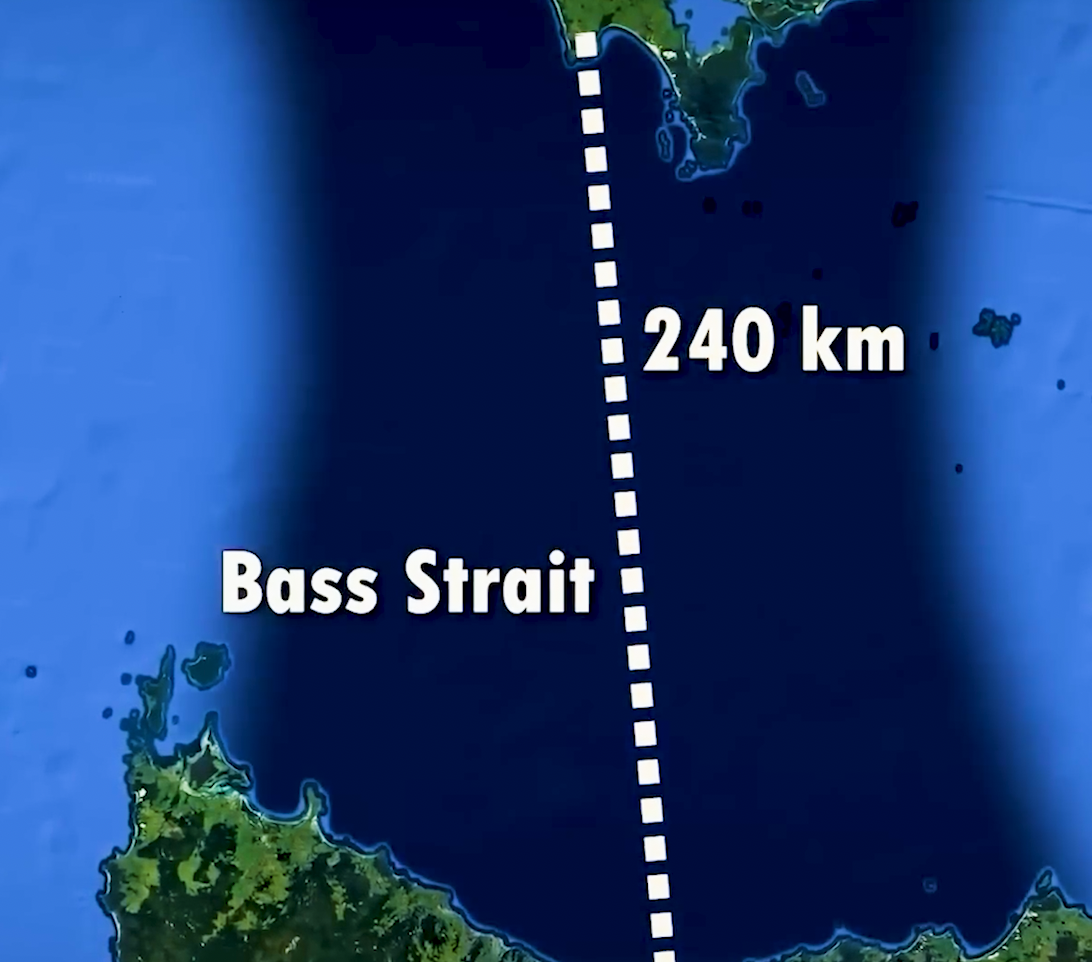
One of the biggest infrastructure shifts happening across Australia right now is that the opportunity is no longer only in renewable generation.
It is increasingly in transmission and connectivity infrastructure.
Projects like Marinus Link between Tasmania and Victoria are expected to involve billions of dollars in transmission infrastructure investment, supporting long-term grid connectivity and energy reliability.
Projects of this scale create contractor demand across:
- Trenching
- Excavation
- Utility support
- Enabling civil works
- Access preparation
Machine Spotlight: CASE CX245D SR
Short-radius excavators are becoming increasingly valuable across transmission and utility infrastructure because they combine:
- Strong excavation capability
- Reduced swing footprint
- Versatility across constrained environments
- Productivity across multiple scopes
Commercial Insight
Transmission infrastructure projects often progress progressively over many years, rewarding businesses that prepare capability early and maintain reliable delivery performance.
4. Bruce Highway Upgrades and Flood Resilience Works: Regional Infrastructure Still Matters
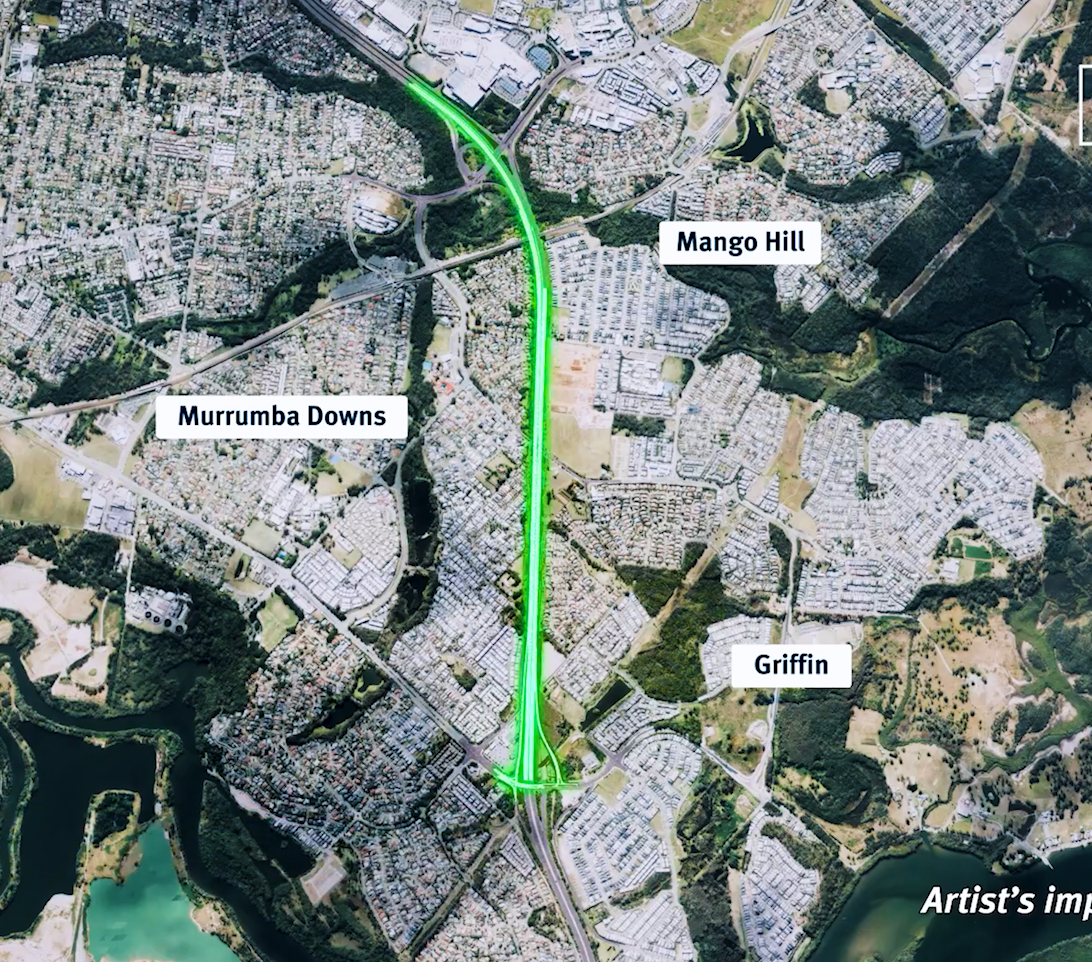
Some of the strongest contractor demand signals in Australia are not always the highest-profile projects.
Sometimes they are long-term regional infrastructure programs.
The Bruce Highway upgrade and flood resilience pipeline continues attracting billions in combined Federal and Queensland Government investment focused on:
- Corridor upgrades
- Flood resilience
- Safety improvements
- Regional connectivity
Projects like this continue creating practical contractor demand across:
- Earthworks
- Drainage
- Road preparation
- Compaction
- Haulage and support fleet
Importantly, these works are often delivered progressively through staged contractor packages over many years.
Machine Spotlight: Hamm HC 70i Roller
Compaction equipment continues playing a critical role across:
- Roadworks
- Utilities
- Enabling infrastructure
- Regional civil delivery
Reliable compaction capability directly impacts:
- Productivity
- Delivery quality
- Rework reduction
- Operational efficiency
Commercial Insight
Regional infrastructure programs often reward operators that maintain:
- Reliable uptime
- Strong utilisation
- Delivery consistency
- Versatile fleet capability
Why Prepared Operators Often Move First
Major infrastructure projects are increasingly delivered through:
- Staged procurement
- Early contractor involvement
- Contractor panels
- Enabling packages
Major infrastructure programs across Australia increasingly utilise staged procurement and ECI models, favouring businesses with proven capability and readiness.
Source: Infrastructure Australia / State Procurement Frameworks
This matters because by the time demand becomes obvious across the wider market, many early opportunities may already be moving.
Preparedness increasingly means:
- Fleet readiness
- Delivery capability
- Funding flexibility
- Mobilisation confidence
- Utilisation discipline
The New Productivity Equation
Across construction and civil infrastructure, productivity is becoming one of the biggest commercial differentiators in the market.
Australia’s construction productivity has stagnated over time, increasing pressure on:
- Efficiency
- Utilisation
- Operational discipline
- Delivery capability
Source: Productivity Commission
At the same time, labour shortages and rising input costs continue impacting project delivery timelines and margins.
Source: Master Builders Australia
This is one reason more operators are increasingly focused on:
- Reducing downtime
- Improving fleet efficiency
- Replacing weak links early
- Aligning assets to practical demand
An ABB-commissioned survey found the typical Australian industrial business estimates unplanned downtime at approximately $349,000 per hour.
The strongest businesses are increasingly investing in output and delivery capability, not simply machinery ownership.
Structuring Capacity Before Pressure Appears
In changing markets, finance structure matters more than ever.
Strong operators are increasingly focused on:
- Preserving working capital
- Aligning repayments to utilisation
- Maintaining flexibility
- Understanding capacity before urgency appears
Because waiting can quietly reduce options.
Delay Can Mean
- Reduced asset availability
- Weaker negotiating leverage
- Ongoing downtime
- Rushed decision-making
- Cashflow pressure later
Prepared action usually outperforms pressured action.
Smart Operator Checklist: Next 90 Days
Fleet
- Identify downtime risks
- Review underutilised assets
- Assess which machines improve output immediately
Market
- Monitor transmission and enabling works
- Track staged procurement environments
- Identify sectors aligned to current capability
Commercial
- Review delivery capability
- Assess mobilisation readiness
- Improve utilisation performance
Finance
- Understand borrowing capacity
- Review structure options
- Preserve flexibility before urgency appears
Final Word
Australia’s infrastructure pipeline is still moving.
But the strongest opportunities are increasingly emerging through:
- Transmission infrastructure
- Enabling works
- Utilities
- Precinct ecosystems
- Regional civil programs
- Staged procurement environments
This market is no longer rewarding reaction alone.
It is rewarding businesses that:
- Prepare earlier
- Structure smarter
- Improve utilisation
- Maintain delivery capability
- Position before demand accelerates
Because in this cycle, readiness is becoming a competitive advantage.
Planning Your Next Move?
If you’re reviewing fleet capability, preparing for upcoming work or planning your next income-producing asset, TMF can help structure practical funding aligned to utilisation, cashflow and long-term growth.
Talk to TMF here: Talk to TMF
Start positioning early with finance structured around your equipment, utilisation and business goals.
FAQs
What infrastructure sectors are creating the strongest contractor demand in 2026?
Transmission infrastructure, utilities, enabling works, precinct development and regional civil infrastructure continue creating strong contractor demand across Australia.
What machinery is likely to remain highly relevant?
Intelligent excavators, compact civil machinery, compaction fleet and versatile utility support equipment remain highly aligned to staged infrastructure delivery environments.
Why are staged procurement environments important?
Projects increasingly move progressively through enabling packages and contractor panels, rewarding businesses that prepare capability early.
What gives contractors a competitive advantage right now?
Preparedness — including fleet readiness, utilisation performance, delivery capability and understanding funding options before urgency appears.