On this page
The right asset at the right time
A strong machinery decision is rarely about owning more gear.
It is about choosing the right income-producing asset at the right time, for the right kind of work, with the right finance structure behind it.
Why generic machine thinking is not enough
Generic equipment categories are useful at the planning level, but they do not help operators make a commercial decision.
A 20-tonne excavator, 30-tonne excavator, motor grader, articulated hauler or compact track loader can each play a very different role depending on the site, work scope and utilisation profile.
The better decision process is:
- What project environment are we preparing for?
- What machine class is likely to remove a constraint or improve capability?
- Which named models should be shortlisted?
- How will the asset earn?
- Does the expected utilisation support the finance structure?
- Does the decision protect working capital and flexibility?
July machine model examples
| Project environment | Model example | Machine type | Learn more | Commercial question |
|---|---|---|---|---|
| The Wave Stage One | Volvo A40G Articulated Hauler | Articulated hauler | Upgrade Strategically | Will the asset improve material movement and site flow enough to justify the structure? |
| Brigalow Gas Peaking Plant | Komatsu PC290LC-11 Hydraulic Excavator | 30-tonne excavator class | Win More Work | Does this excavation capacity help the operator respond to regional energy or civil packages? |
| New Richmond Bridge Stage 2 | Komatsu GD655-7 Motor Grader | Motor grader | Protect Uptime | Will reliable access preparation protect project momentum and reduce bottlenecks? |
| New Toowoomba Hospital | Bobcat T86-2 Compact Track Loader | Compact track loader | Grow Without Overstretching | Can versatile support equipment add capability without overcapitalising? |
Model 1: Volvo A40G Articulated Hauler
A model like the Volvo A40G is useful in the context of major rail and civil works because material movement often shapes productivity. On large sites, excavation is only part of the equation. If spoil, fill or aggregate is not moving efficiently, the whole site can slow down.
The operator should not assess this class of asset only on size. The practical questions include payload class, cycle times, traction, fuel use, tyre life, haul road conditions, body capacity and whether the hauler matches the loading equipment on site.
The strategic question is whether the asset improves output, reduces bottlenecks and supports enough utilisation to justify the finance structure. Learn more: Upgrade Strategically.
Model 2: Komatsu PC290LC-11 Hydraulic Excavator
A model like the Komatsu PC290LC-11 sits in a useful excavator class for heavier civil, energy and infrastructure support work. In environments such as energy infrastructure, excavators may be involved in foundations, trenching, access works, drainage, services and general site preparation.
The commercial assessment should include digging force, hydraulic response, reach, attachment compatibility, undercarriage stability, fuel performance, transport considerations and whether the machine can move across different scopes of work.
The key question is whether this asset helps the operator respond to the kind of work they are targeting before packages become time-sensitive. Learn more: Win More Work.
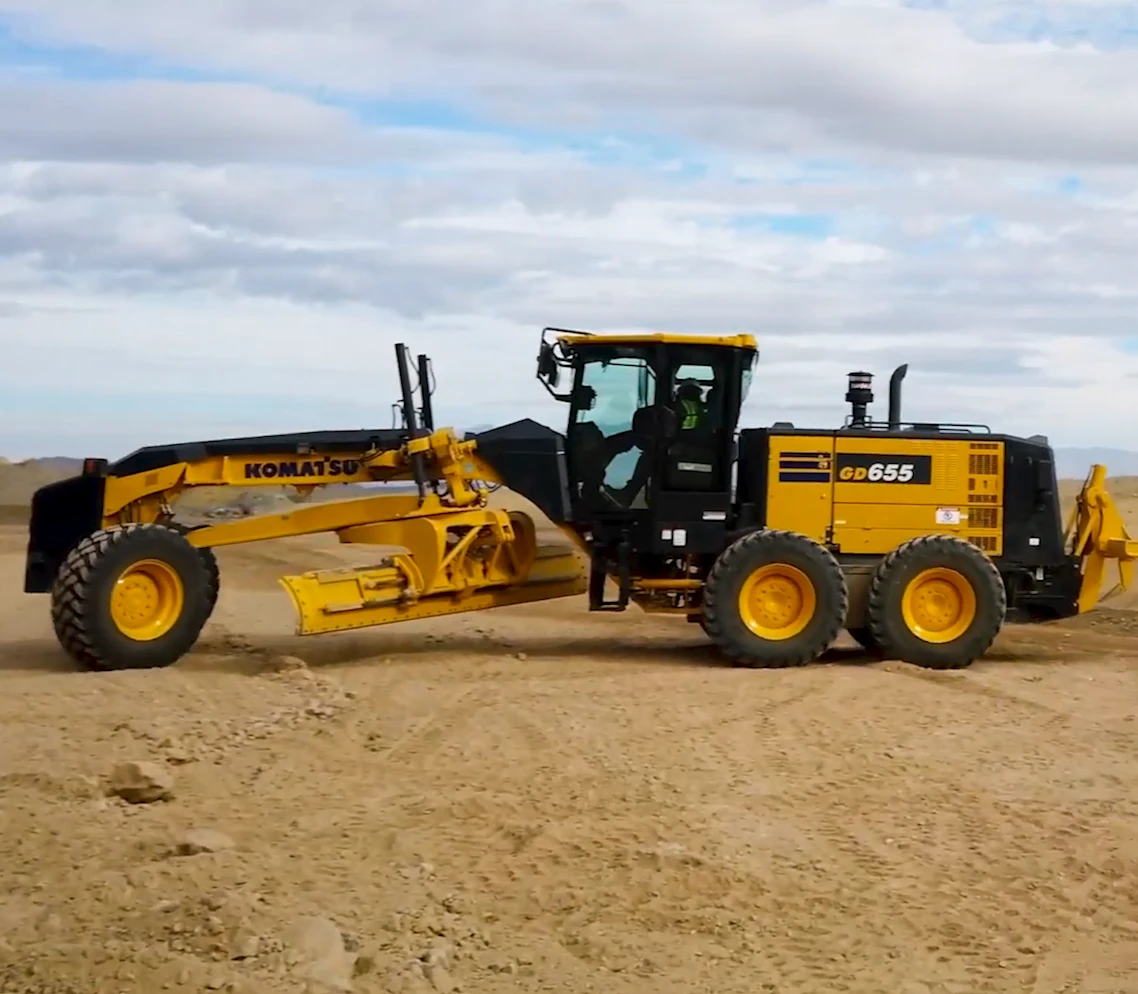
Model 3: Komatsu GD655-7 Motor Grader
A model like the Komatsu GD655-7 helps explain why support equipment matters on road and bridge projects. Graders can be critical for access, road formation, surface preparation, drainage interfaces and keeping work fronts moving.
Operators should assess power, moldboard control, precision, visibility, serviceability, fuel use, operator comfort and whether the machine can perform consistently across long civil work cycles. The machine may not be the headline asset, but it can still control momentum.
If access preparation falls behind, the broader project can slow down. Reliable support equipment can protect delivery confidence. Learn more: Protect Uptime.
Model 4: Bobcat T86-2 Compact Track Loader
A model like the Bobcat T86-2 shows why compact support equipment can be commercially valuable on staged construction and regional infrastructure. Hospitals, civic works, utilities and constrained sites often require machines that can move between tasks and operate in changing conditions.
The operator should assess auxiliary hydraulic capability, attachment range, lifting capacity, operating weight, transport practicality, undercarriage suitability, site access and whether the machine can generate enough utilisation across multiple scopes.
A versatile support asset can help increase capability without committing to a larger machine that may be underutilised. Learn more: Grow Without Overstretching.
The finance education layer
The right asset decision should always connect back to finance structure. A machine may be technically impressive but commercially weak if it does not earn consistently or strains working capital.
| Finance question | Why it matters |
|---|---|
| How will the asset earn? | The repayment should be considered against expected utilisation and revenue contribution. |
| What is the timing risk? | Supplier timing, project timing and lender timing can change the decision. |
| What working capital is needed? | Operators may still need cash for fuel, wages, mobilisation and site costs. |
| What structure supports flexibility? | Term, deposit, balloon and repayment shape can affect future options. |
| What is the exit or future value logic? | Resale, asset life and utilisation matter over the full ownership period. |
How to decide if the asset is right
- Start with the work environment, not the machine brochure.
- Identify the constraint the asset is meant to solve.
- Shortlist named models and compare technical fit against likely utilisation.
- Estimate how the machine will earn and what it may cost to operate.
- Review supplier timing before a live project forces the decision.
- Map finance capacity, deposit position and repayment structure early.
- Make the final decision based on commercial fit, not equipment excitement.
Final thought
The right machine is not always the biggest, newest or most expensive option.
It is the machine that fits the work, earns consistently, improves the business and can be structured without creating unnecessary pressure.
That is the point of finance readiness. Operators do not need to buy before they are ready. But they should understand their options before timing, suppliers or project pressure make the decision harder.
Talk to TMF and map the numbers before you move.
Frequently asked questions
What makes an asset income-producing?
An income-producing asset should support work, output, utilisation or delivery capability in a way that helps the business generate revenue.
How should operators compare machine options?
They should compare technical fit, utilisation, reliability, operating cost, supplier timing, finance structure and commercial value.
What is the biggest mistake in machinery finance?
Treating the decision as just approval or repayment rather than assessing how the asset earns and how the structure supports the business.
Related TMF reading
- TMF July Industry Update: Why Finance Readiness Matters Before the Work Lands
- Finance Pre-Approval Before Procurement: Why Prepared Operators Move Faster
- Mobilisation Windows: How Equipment Timing Can Shape Project Delivery
General information only
This article is general information only. It does not provide personal financial advice. Finance approval, rates, terms and structures depend on lender assessment, business circumstances and asset details. Project details and values should be verified before publication and kept current at time of upload.