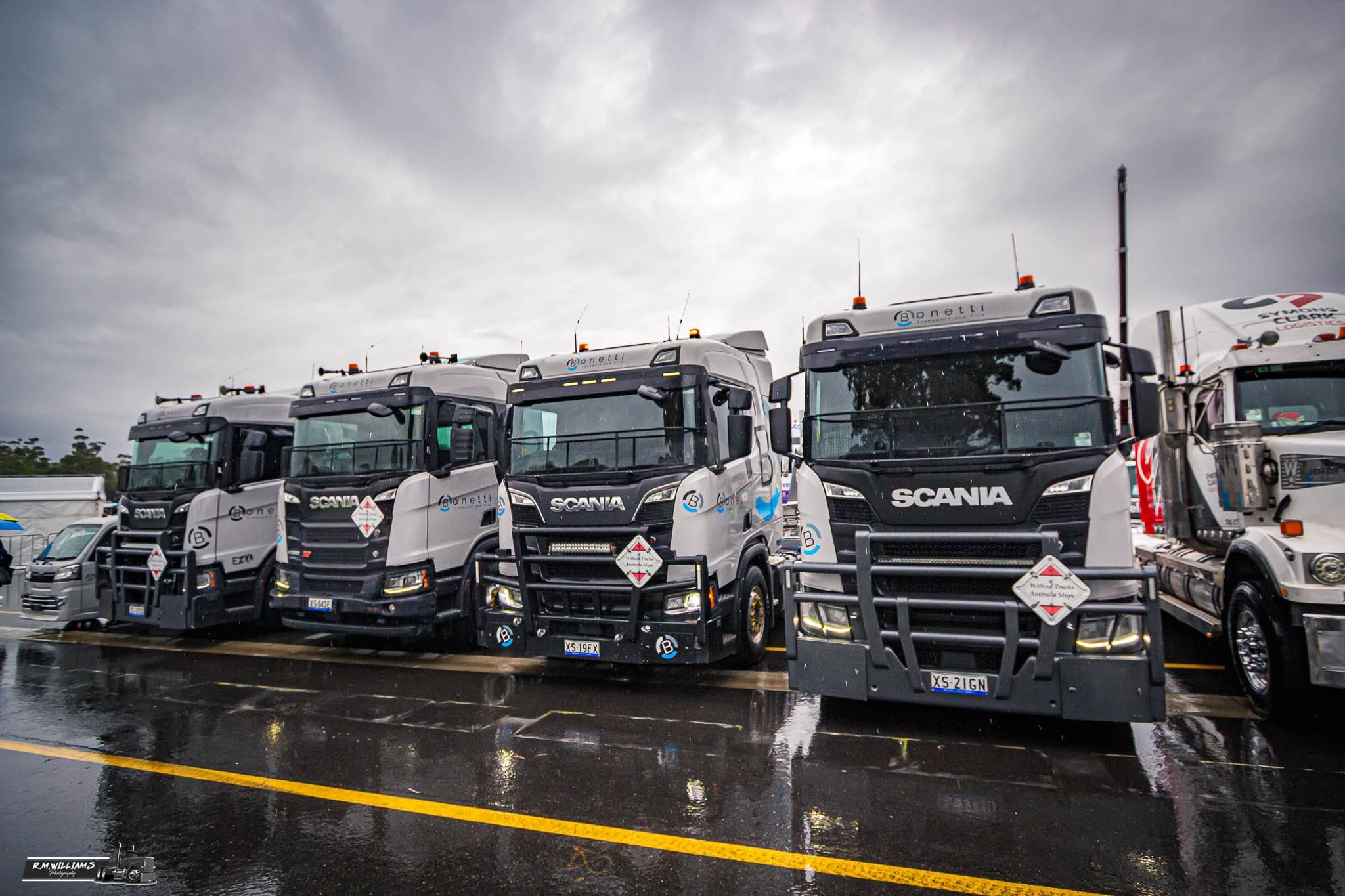
A full yard can look like capability. It can also hide a lot of cost.
Every machine carries more than a purchase price. It needs finance, insurance, servicing, tyres or tracks, transport, storage, operators and work. If those costs remain while the machine sits, fleet size can grow faster than margin.
That is why utilisation matters. The better question is not “How many machines do we own?” It is “How much useful, paid or margin-protecting work does each machine perform?”
In a market where construction activity is high but labour remains constrained, the strongest operators are not necessarily those with the most iron. They are often the businesses that keep the right assets working, remove bottlenecks and know when an underused machine should be redeployed, replaced, hired out or sold.
In this article
- What utilisation actually means
- Why more machinery can reduce margin
- Start with the bottleneck
- The utilisation test before adding equipment
- A simple conservative model
- Different fleet stages need different decisions
- The finance layer
- Frequently asked questions
What utilisation actually means
Utilisation can be measured in several ways. For a plant hire operator, billable hours may be the clearest measure. For a civil contractor, a support machine may be valuable even when it is not separately charged to a client because it keeps a crew or production asset moving.
Three measures are useful:
| Measure | Simple calculation | What it shows |
|---|---|---|
| Availability | Hours mechanically available ÷ scheduled hours | Whether service and breakdowns are reducing capacity. |
| Productive utilisation | Productive hours ÷ available hours | How much available time is being converted into useful work. |
| Revenue utilisation | Billable hours ÷ available hours | How much of the machine's available time directly earns revenue. |
No single percentage tells the whole story. A compactor may be essential to delivery but work in shorter windows than an excavator. A compact loader may switch between scopes and prevent labour waiting. A prime mover may be productive through loads and kilometres rather than engine hours alone.
The measure must fit the machine's commercial role.
Why more machinery can reduce margin
Fixed commitments arrive before utilisation
Repayments, insurance and registration do not wait for the next job. When fleet grows ahead of confirmed or credible demand, fixed commitments can absorb cashflow during slow weeks.
Operators can become the constraint
Jobs and Skills Australia reported that 28 per cent of Machinery Operators and Drivers occupations assessed were in shortage in 2025. Adding machinery without a realistic operator plan can create parked capacity rather than productive capacity.
Support systems may not scale with the fleet
More machines mean more service scheduling, attachments, floats, tyres, parts, compliance and administration. If the workshop, supervisor or transport capacity does not grow with the fleet, uptime can fall.
Utilisation assumptions are often optimistic
The forecast may assume that a new machine will be busy five days a week. Real operating time can be reduced by mobilisation, weather, client delays, travel, site inductions, service intervals and gaps between packages.
Start with the bottleneck
The best fleet addition usually solves a defined problem.
- A dozer may reduce grading and rework pressure across a road job.
- A short-tail excavator may let a crew work more effectively in constrained rail or utilities environments.
- A telehandler may keep materials moving across several work fronts.
- A compactor with measurement technology may reduce unnecessary passes and protect quality.
Those are productivity cases. “We may need another machine” is not yet a productivity case.
Before buying, describe the constraint in one sentence: “This machine will reduce waiting at the loading point,” “This machine replaces six weeks of annual breakdown exposure,” or “This machine lets us perform the confined utility scope we currently subcontract.”
If the problem cannot be defined, the utilisation forecast is likely to be weak.
The utilisation test before adding equipment
| Question | Evidence to review |
|---|---|
| What work will the machine perform? | Current jobs, tender pipeline, recurring clients and realistic adjacent work. |
| How many productive hours are credible? | Timesheets, telematics and history from comparable assets. |
| What is the machine replacing? | Hire spend, subcontract spend, lost time, repairs or a fleet bottleneck. |
| Who will operate it? | Current crew capability, recruitment need, training and leave coverage. |
| What support does it need? | Transport, attachments, servicing, parts, storage and supervision. |
| What happens in a slow month? | Cashflow buffer, alternative scopes, hire-out potential and repayment capacity. |
| What is the exit path? | Resale market, expected hours, condition, finance balance and likely change cycle. |
A simple conservative model
Assume a machine is available for 160 hours in a month. The operator expects 120 productive hours, but allows 15 hours for service and transport, 10 hours for weather and site delays, and 25 hours for gaps between work fronts.
That leaves 110 productive hours, or 68.75 per cent of the original scheduled time.
If the machine only supports the finance structure at 140 billable hours, the case is fragile. If it supports the commitment at 90 hours and creates upside above that point, the business has more room.
This is why conservative utilisation matters. The best-case month should not be the minimum case required to make the repayment work.
Different fleet stages need different decisions
Owner-operator
One versatile, reliable asset may create more value than two specialised machines with uncertain work. Transportability, attachments and the ability to work across several clients can be important.
Growing contractor
The right addition may be the support machine that unlocks an existing crew, not another headline production asset. Review where paid labour and major equipment currently wait.
Established fleet
Use telematics, job costing and service records to identify underused and high-cost assets. The growth move may be upgrading one bottleneck and exiting two low-utilisation machines.
Plant hire business
Review paid utilisation, dry-hire and wet-hire demand, operator availability, geographic demand, attachment use and replacement hire costs. High hours are useful only when rate and operating cost protect margin.
The finance layer
The term and structure should reflect the conservative utilisation case, not just the monthly repayment an operator would prefer.
A longer term can reduce the regular repayment but extend the commitment. A balloon can preserve monthly cashflow but leaves a final amount to manage. A deposit can reduce the financed amount but may remove cash needed for fuel, mobilisation or wages.
The right structure should allow the machine to earn without leaving the wider business short of working capital.
Use TMF's Repayment Calculator to test term and balloon combinations, then speak to TMF about the full structure and lender requirements. Calculator outputs are indicative only.
Final thought
Fleet growth is useful when it produces a commercial result: more work delivered, fewer delays, stronger uptime or a credible new capability.
If the next machine does not have a clear role, realistic operator and conservative utilisation case, it may add cost faster than capacity.
Before adding another machine, talk to TMF and test how it will earn.
Frequently asked questions
What is a good utilisation rate for construction machinery?
There is no universal percentage. It depends on the machine, its role, whether it is directly billable and the operating costs. Compare the asset with your own history and the utilisation required to cover its full cost.
Should support equipment be judged only on billable hours?
No. A support machine can create value by keeping labour and production equipment moving. Include avoided waiting time, hire costs, rework and delivery risk.
Is hire better than buying for low utilisation?
It can be. Compare availability, hire rates, transport, control over timing and likely hours with ownership and finance costs. The right answer depends on the work profile.
Can a longer finance term solve a low-utilisation problem?
It can lower the repayment, but it does not create work. It may also increase total interest and keep debt against the asset for longer.
Related TMF reading
- TMF August Industry Update: Why Productivity Is Becoming the Real Contractor Advantage
- TMF Repayment Calculator
- TMF Borrowing Capacity Calculator
General information only
This article provides general information only, not personal financial, tax or legal advice. Finance approval, rates, terms and structures depend on lender assessment, business circumstances, asset details and supporting documentation.