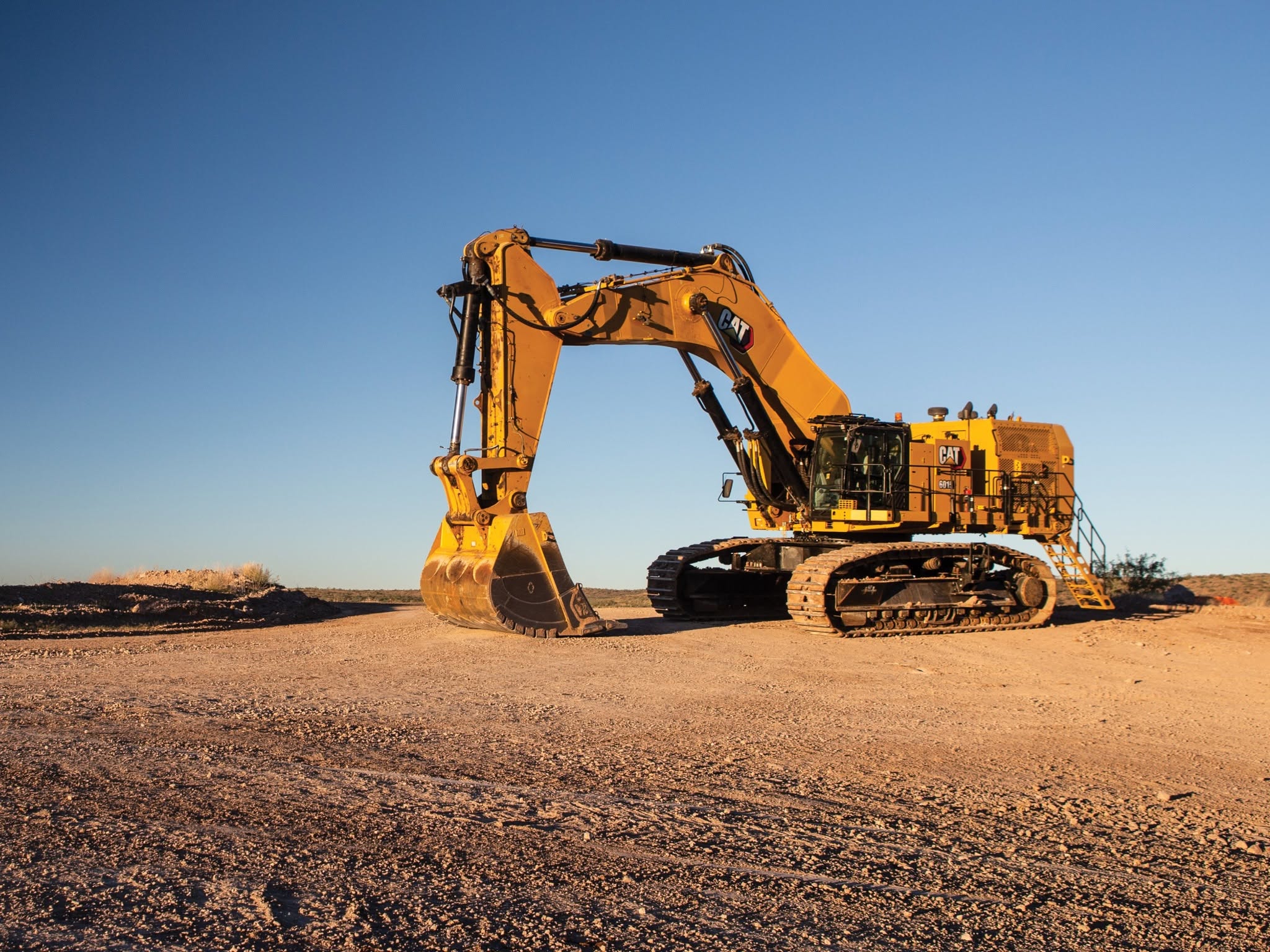
Why uptime, utilisation and delivery capability are becoming more valuable than simply owning more machinery
For a long time, success in construction, civil and transport industries was often associated with owning more machinery.
More trucks.
More excavators.
More fleet.
More iron.
But in today’s operating environment, the conversation is changing.
Because in tighter markets:
- Utilisation matters more
- Downtime matters more
- Delivery capability matters more
- Productivity matters more
Increasingly, the strongest operators are not simply asking, “What machine can we buy?”
They are asking, “What improves output?”
That is a very different mindset.
Table of Contents
- The Market Is Becoming More Efficiency Driven
- Infrastructure Demand Is Still Creating Opportunity
- Why Productivity Pressure Is Increasing
- Output Is Becoming More Valuable Than Ownership
- Transmission & Infrastructure Projects Are Rewarding Readiness
- The Rise of Versatile High-Utilisation Fleet
- Why Operational Certainty Matters More
- Finance Structure Is Becoming Part of Productivity
- Final Thought
- FAQs
The Market Is Becoming More Efficiency Driven
Across construction, civil infrastructure and transport sectors, businesses are continuing to navigate:
- Rising operating costs
- Labour shortages
- Margin pressure
- Delivery complexity
- Project scheduling pressure
That is changing how many operators think about machinery investment.
Because in higher-cost environments, inefficient utilisation becomes expensive very quickly.
This is one reason more businesses are increasingly focused on:
- Uptime
- Fleet efficiency
- Reducing operational friction
- Improving delivery capability
- Maintaining stronger utilisation
rather than simply increasing fleet size.
Infrastructure Demand Is Still Creating Opportunity
As explored throughout TMF’s June Infrastructure Update: Positioning Before Demand Accelerates, billions of dollars of infrastructure investment continue progressing across:
- HumeLink
- Marinus Link
- Western Sydney Aerotropolis
- Bruce Highway upgrades
These projects continue creating contractor demand across:
- Excavation
- Trenching
- Utilities
- Drainage
- Compaction
- Enabling civil works
- Support fleet
But importantly, many of these environments now reward operational capability over scale alone.
Projects increasingly progressing through:
- Staged procurement
- Contractor panels
- Enabling works
- Progressive delivery environments
often favour operators that can maintain:
- Reliable uptime
- Strong delivery consistency
- Efficient utilisation
- Operational flexibility
across multiple scopes of work.
Why Productivity Pressure Is Increasing
Australia’s construction sector continues facing significant productivity pressure.
CEDA Construction Productivity Research notes construction productivity has remained weak for decades while project complexity and delivery pressure continue increasing.
CEDA also notes that 98.5% of Australian construction firms employ fewer than 20 people, while larger firms often achieve significantly stronger revenue per worker through:
- Operational systems
- Technology adoption
- Efficiency improvements
- Delivery capability
At the same time:
- Labour shortages remain challenging
- Project expectations are increasing
- Infrastructure demand continues progressing
That means productivity itself is increasingly becoming a competitive advantage.
Output Is Becoming More Valuable Than Ownership
In previous cycles, simply owning additional machinery may have been enough to support growth.
But in tighter operating environments, underutilised fleet can quietly become expensive.
Because ownership alone does not create profitability.
Output does.
That is why more operators are increasingly assessing:
- Which machines generate the strongest utilisation
- Which assets reduce friction
- Which equipment improves delivery capability
- Which fleet creates operational flexibility
rather than simply adding more machinery.
This shift is particularly visible across:
- Utilities infrastructure
- Staged civil delivery
- Transmission projects
- Contractor panel environments
where:
- Uptime
- Reliability
- Versatility
- Mobilisation capability
can directly impact future opportunity.
Transmission & Infrastructure Projects Are Rewarding Readiness
Projects like HumeLink and Marinus Link are reinforcing this shift.
Transgrid HumeLink outlines the scale of transmission infrastructure now progressing across New South Wales.
These projects often involve:
- Staged procurement
- Progressive delivery
- Long-duration contractor engagement
- Enabling works environments
Increasingly, readiness itself becomes commercially valuable.
Operators capable of maintaining:
- Uptime
- Mobilisation readiness
- Operational flexibility
- Strong utilisation
are often better positioned as opportunities accelerate.
For more on this shift, read Positioning Before Demand Accelerates: Why Prepared Contractors Move Earlier.
The Rise of Versatile High-Utilisation Fleet
One of the clearest trends emerging across civil and infrastructure sectors is the increasing value of versatile, highly utilised machinery.
Because in many environments:
- Flexibility creates efficiency
- Efficiency improves margin
- Uptime improves delivery capability
Compact excavators, intelligent excavators, compaction fleet and versatile support machinery are increasingly being prioritised because they allow operators to:
- Move across multiple scopes
- Reduce downtime
- Improve utilisation
- Maintain productivity in staged environments
This is particularly relevant across:
- Utilities
- Precinct infrastructure
- Transmission projects
- Enabling civil works
where versatility and reliability can outperform oversized underutilised fleet.
Why Operational Certainty Matters More
At the same time, newer machinery is increasingly offering:
- OEM servicing programs
- Telematics and monitoring systems
- Predictive maintenance support
- Stronger fuel efficiency
- More predictable operating costs
And predictability matters.
Because operational certainty allows businesses to:
- Improve planning
- Reduce downtime risk
- Strengthen delivery capability
- Preserve momentum
- Improve utilisation consistency
In changing markets, certainty itself becomes valuable.
If ageing equipment is starting to create downtime, repair pressure or delivery friction, read The Cost of Delay: Why Ageing Equipment Can Quietly Drain Margin.
Finance Structure Is Becoming Part of Productivity
This is one reason finance structure is becoming more strategically important.
Because the right finance structure can help businesses:
- Preserve working capital
- Improve flexibility
- Align repayments to utilisation
- Reduce unnecessary pressure
- Position for future opportunity
At TMF, the conversation is rarely just, “Can this machine be financed?”
It is increasingly, “How does this asset improve the business operationally and commercially?”
That is a much more valuable conversation.
Final Thought
The strongest operators are increasingly focusing on:
- Output
- Utilisation
- Reliability
- Readiness
- Operational certainty
—not simply ownership.
Because in higher-cost operating environments, productive fleet often matters more than large fleet.
Increasingly, the businesses that improve:
- Uptime
- Flexibility
- Utilisation
- Delivery capability
are the businesses positioning themselves strongest for the next phase of infrastructure demand.
Talk to TMF
If you’re reviewing fleet utilisation, operational efficiency or planning your next machinery investment, TMF can help you assess how equipment and finance structure impact the broader performance of the business.
Book an obligation-free planning call with TMF and start positioning for stronger output, utilisation and long-term capability — or check your finance readiness first.
Related Reading
- TMF June Infrastructure Update: Positioning Before Demand Accelerates
- The Cost of Delay: Why Ageing Equipment Can Quietly Drain Margin
- Positioning Before Demand Accelerates: Why Prepared Contractors Move Earlier
FAQs
Why is utilisation becoming more important for contractors?
In higher-cost operating environments, underutilised machinery can quickly become expensive through:
- Repayments
- Maintenance
- Downtime
- Reduced productivity
Strong utilisation helps improve operational efficiency and delivery capability.
What does “output over ownership” mean?
It means focusing on:
- What machinery produces
- How reliably it performs
- How efficiently it operates
- How much utilisation it generates
rather than simply increasing fleet size.
Why are versatile machines becoming more valuable?
Projects across utilities, transmission and civil infrastructure increasingly involve:
- Staged delivery
- Multiple scopes of work
- Constrained environments
- Changing site conditions
Versatile machinery allows operators to remain productive across more environments.
Why does uptime matter more in infrastructure projects?
Projects like HumeLink and Marinus Link increasingly reward:
- Reliable delivery
- Operational consistency
- Mobilisation capability
- Utilisation efficiency
because downtime can impact:
- Delivery schedules
- Contractor reputation
- Future opportunities
How can finance structure improve productivity?
The right finance structure can help businesses:
- Preserve working capital
- Improve flexibility
- Align repayments to utilisation
- Reduce operational pressure
- Support future growth capability
What are stronger operators doing differently in 2026?
Many are increasingly:
- Reviewing utilisation
- Improving uptime
- Replacing weak operational links earlier
- Focusing on productivity
- Preserving flexibility
- Positioning before demand accelerates